 Cardigans & jumpers
 Autumn looks
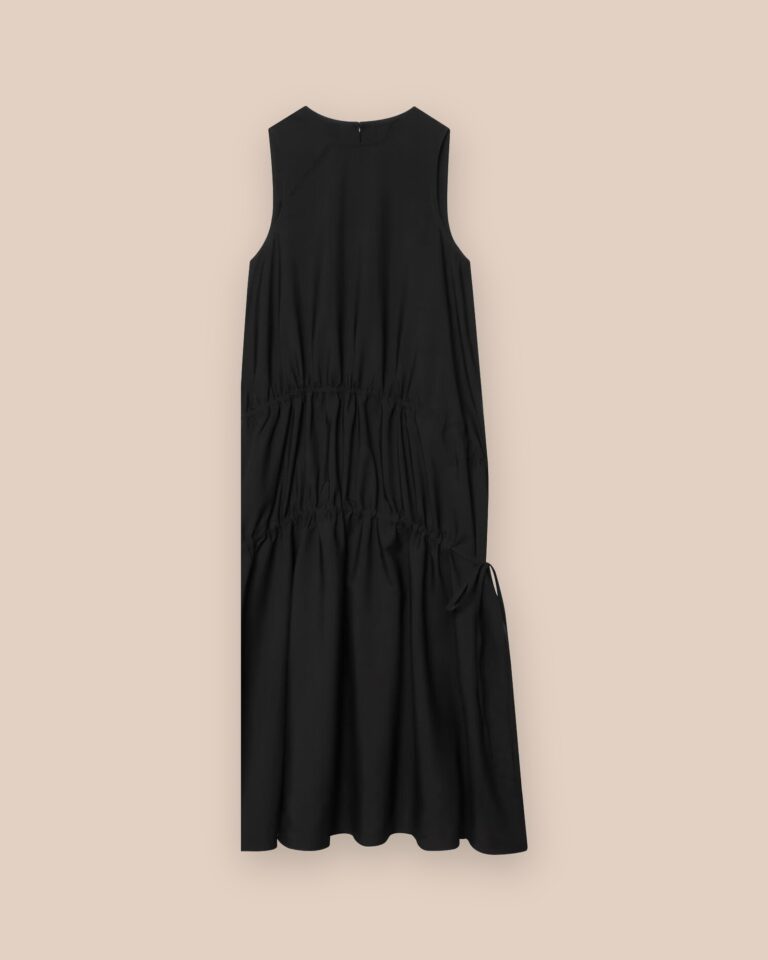 Kaat · Sleeveless tiered maxi dress
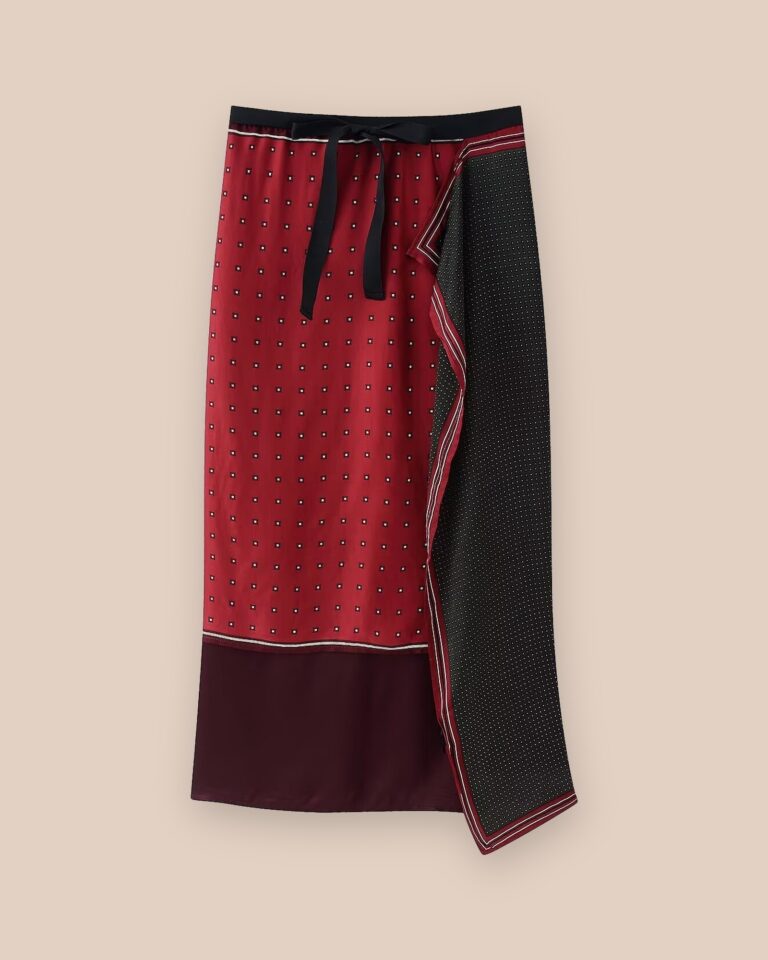 Nelleke · Printed long wrap skirt
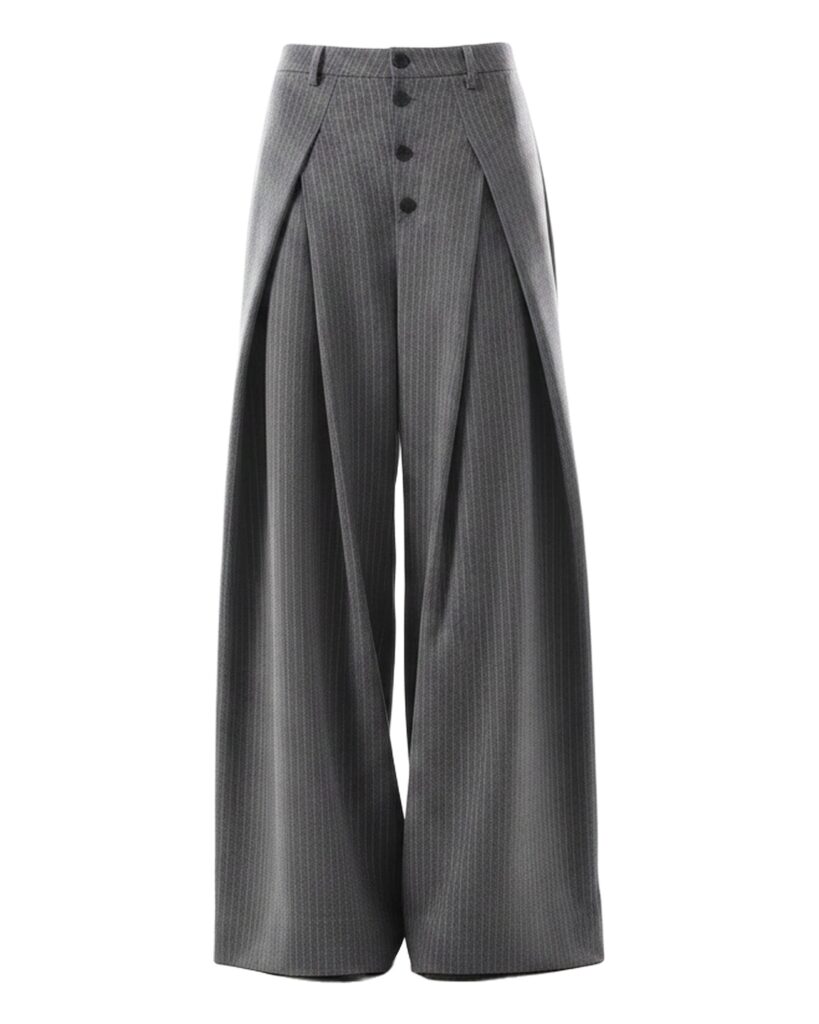
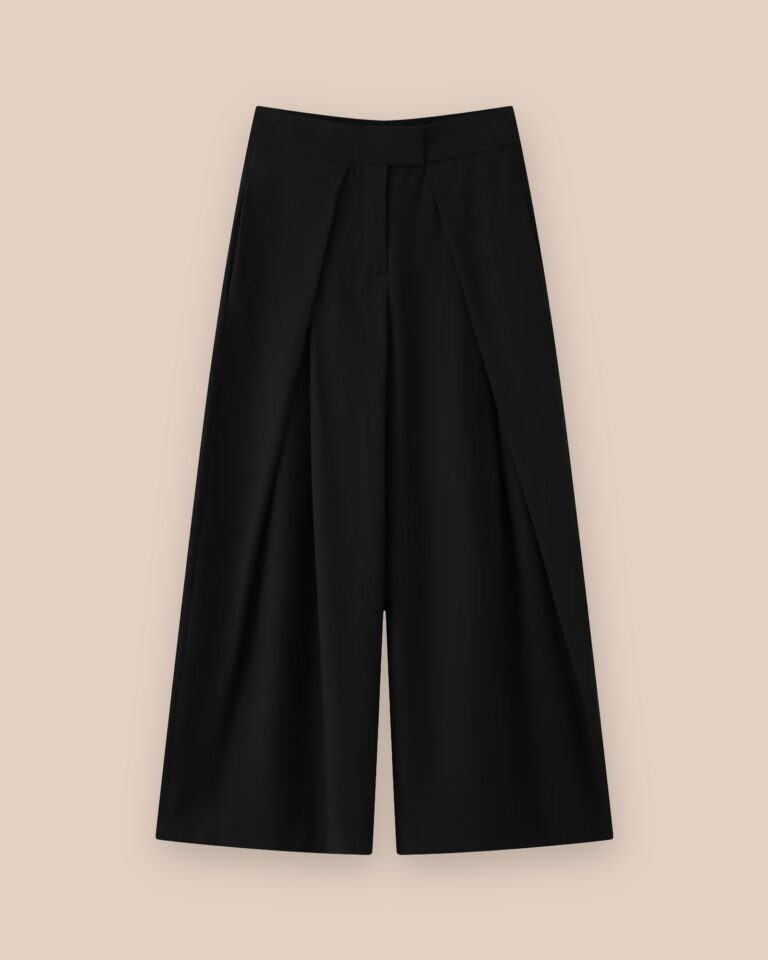 Dieuwke · Pleated wide-leg culottes
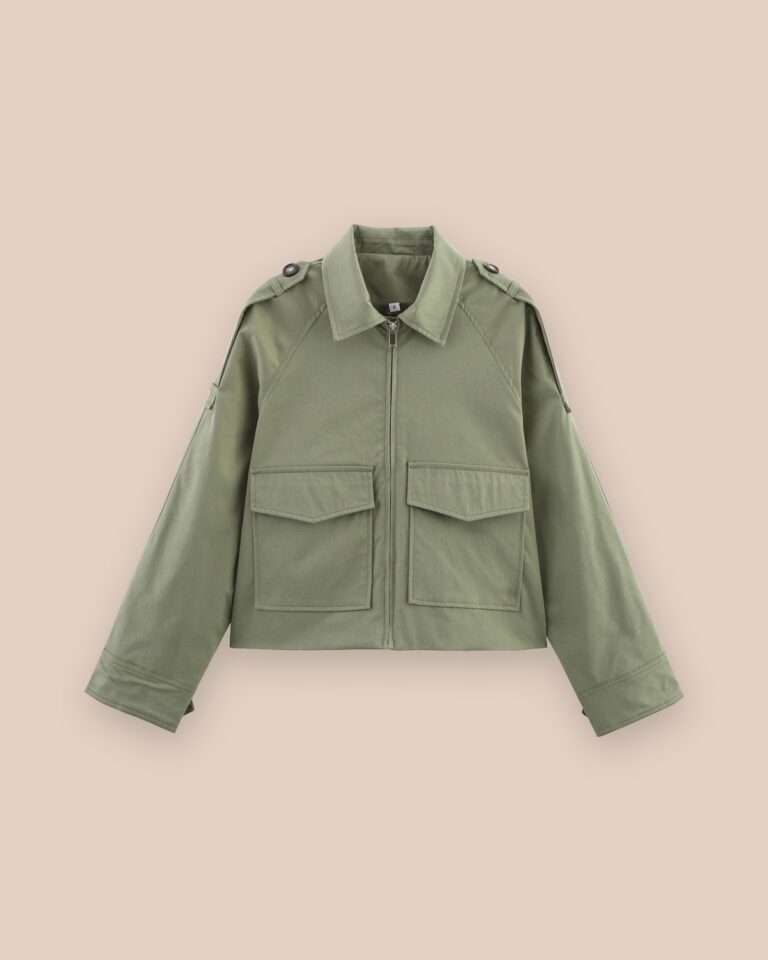 Ymke · Cropped zip jacket with flap pockets
In short: your trouser size depends on four numbers: waist, hip, rise and inseam. Measure your waist at the narrowest point and your hips at the widest, compare both with the centimetre chart on the product page and let the hip measurement decide when the two disagree. Check the rise if you like a high waist and the inseam against a pair you own to get the length right for your shoes. Our trousers are cut true to size, so your usual size is the starting point; between two sizes, choose the larger for woven fabrics and the smaller for knits and drawstring waists.
Last verified: 18 October 2026 · Written by the Lumasana team
Why trouser size is more than a waist number
Trousers are the garment most often returned for fit: the hip is right but the waist gapes, or the leg is too long. Both are avoidable. A trouser size on a label only tells you roughly where the waistband will sit; the centimetre chart on the product page tells you the waist, hip, rise and leg length of that specific pair. Read the chart against your own four measurements and the fit is predictable before the parcel arrives. This guide covers all our trousers and shorts – wide-leg, straight-leg, 7/8, pleated, drawstring and woven summer styles – and the same logic applies to skirts.
The four measurements and how to take them
- Waist: around the narrowest part of your middle, usually just above the navel, tape level, stomach relaxed. For trousers with a high waist this is where the waistband will sit; for a mid-rise the waistband sits a few centimetres lower, where you are slightly wider – some charts list that lower waist instead, so check the diagram.
- Hips: around the widest part of your hips and bottom with your feet together. This is the measurement that must fit: a waist can be belted, a hip cannot be made bigger.
- Rise: from the crotch seam up to the top of the waistband, measured on a pair of trousers that fits you well and laid flat. A high rise is typically 28–32 cm; it decides whether the waistband sits at your natural waist or lower.
- Inseam: from the crotch seam down the inside of the leg to the hem, again on a pair you own that has the length you like with the shoes you wear most.
Write the four numbers down – together they are your trouser size in centimetres. Waist and hip are body measurements; rise and inseam are garment measurements you compare directly with the chart. A general introduction to measuring is in our Size guide.
Reading the chart: which trouser size when measurements disagree
Find the size whose hip range contains your hip measurement. Then check the waist: if your waist falls in the same row, that is your size. If your waist is one size smaller than your hips – very common – take the hip size; a high-waist style with a belt, a tie or a drawstring closes the gap, and a tailored pair can be taken in at the waist by a tailor for a few euros. If your waist is one size larger than your hips, choose the waist size and prefer a wide or straight leg, which hangs from the hip without clinging. Never choose by waist alone if the hip is tight: a trouser tight across the seat pulls at the pockets and will not ease with wear.
The fit status next to the trouser size chart
Next to the chart you see the fit status for that pair: true to size, runs small or runs large. Our trousers are true to size unless stated otherwise, so the chart row that matches your hip is the size to order. If the status says runs small, go one size up from that row.
Trouser size per cut
Wide-leg trousers
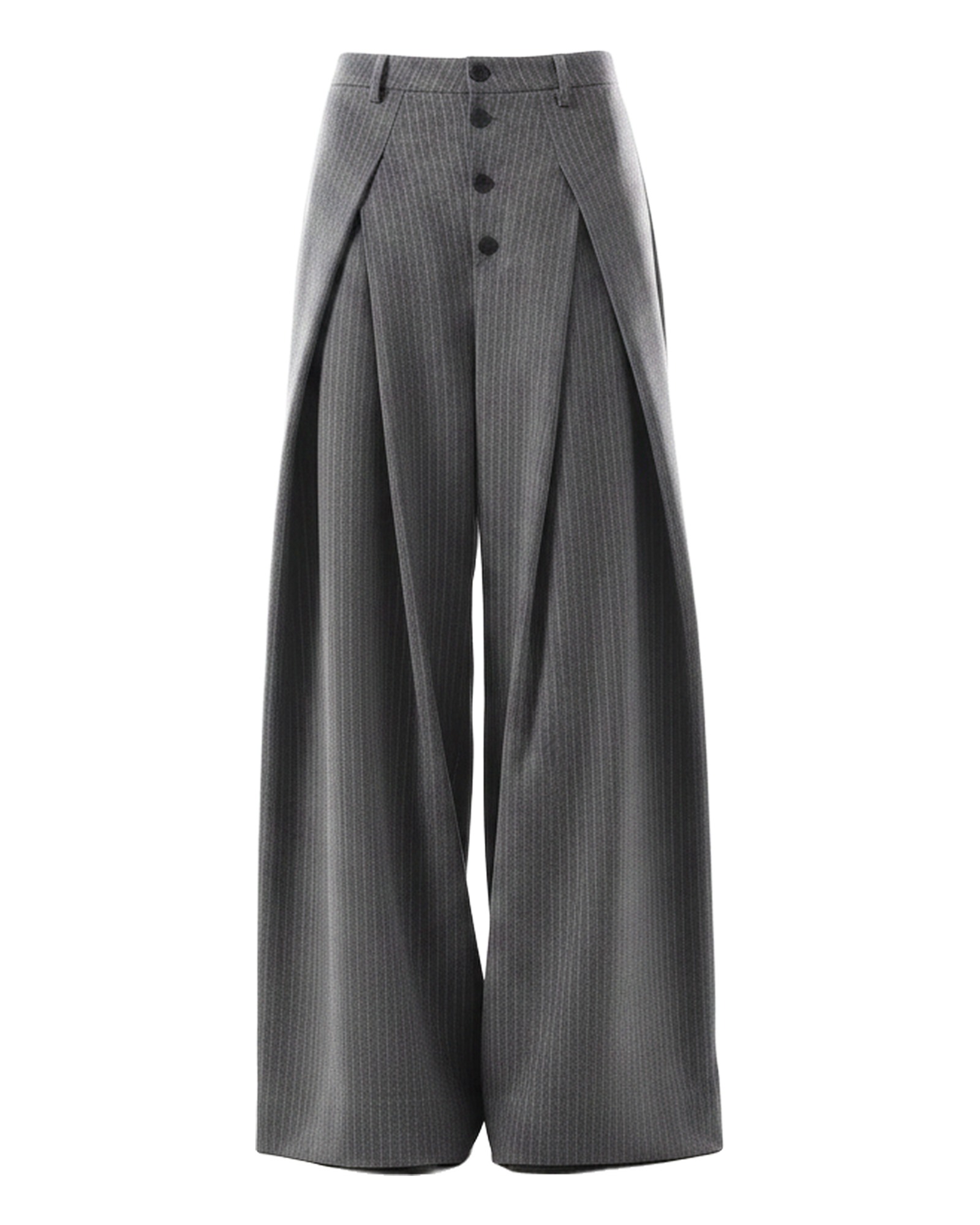
Wide-leg trousers hang from the hip, so hip and rise matter most. Fit the hip exactly; the width below takes care of itself. A high rise is what makes a wide leg look long and elegant – check the rise against a high-waist pair you own. The hem should fall to the top of your shoe or one to two centimetres off the floor with the shoe you will wear most; a wide leg that drags looks careless, one that hovers at the ankle looks intentional.
Straight-leg and suit trousers
Straight-leg trousers are the least forgiving across the thigh: if your thighs are fuller than your hips suggest, size by thigh comfort and have the waist taken in. The classic length ends at the top of the shoe; a cropped length showing the ankle is the modern alternative with flats.
7/8 and cropped trousers
Here the inseam is the measurement to check: the hem should sit two to five centimetres above the ankle bone. On a taller frame a 7/8 cut becomes full length, on a shorter frame ankle length – both work, so check the inseam to know what you are getting.
Drawstring, elasticated and woven summer trousers
Drawstring and elasticated waists forgive a waist–hip difference entirely; size by hip and by the look you want. Knit and jersey trousers: choose the smaller size between two, because the fabric gives. Woven fabrics without elastane do not stretch, so take the larger size between two for woven styles. The Fabric care guide explains washing; the product page lists the composition.
Shorts and skorts
Shorts follow the same hip-first trouser size rule. Check the inseam for the length – at or just above the knee is the most flattering for most legs – and the rise for where the waistband sits. Paperbag and tie-belt shorts adjust at the waist; tailored shorts do not.
Trouser size and length: getting the hem right for your shoes
Decide which shoe you will wear most with the trousers and measure the inseam of a pair that already has the right length with that shoe. As a rule: flats and loafers want the hem one to two centimetres off the floor or at the ankle; a block heel or kitten heel allows a longer hem that covers the top of the shoe. Our Shoe size guide covers the shoes themselves. A hem adjustment is one of the cheapest alterations there is. European sizing standards (EN 13402, CEN) define sizes by exactly these body measurements; the care symbols on the label are explained by GINETEX. Browse the current cuts in our Trousers and Shorts.
Frequently asked questions about trouser size
My waist and hips are two different sizes – which trouser size do I choose?
Choose by the hip. A hip that is too tight cannot be fixed; a waist that is slightly loose can be belted, closed with a tie or drawstring, or taken in by a tailor. High-waist and wide-leg styles handle a waist–hip difference most gracefully.
How do I measure the inseam?
Lay a pair of trousers that fits you well flat and measure from the crotch seam down the inside of the leg to the hem. Compare this number with the inseam in the chart on the product page. Measure with the shoe you wear most in mind: flats want a shorter hem than heels.
What is the rise and why does it matter?
The rise is the distance from the crotch seam to the top of the waistband. A high rise sits at your natural waist and lengthens the leg; a mid rise sits a few centimetres lower. Measure it on a pair you like and compare with the chart so the waistband lands where you expect.
Should I size up for woven summer trousers?
Only if you fall between two sizes. A woven fabric without elastane does not stretch, so between sizes take the larger one. If your measurements sit clearly in one row, order that size – our trousers are true to size.
How long should wide-leg trousers be?
With the shoe you will wear most, the hem should fall to the top of the shoe or one to two centimetres off the floor. A wide leg that drags on the ground looks untidy and wears out at the hem; one that stops at the ankle looks deliberate. Check the inseam in the chart.
Do trousers stretch with wear?
Knits, jersey and fabrics with elastane give a little with wear and recover in the wash. Woven fabrics such as twill, crisp summer weaves and suiting do not stretch meaningfully; they soften. So between two sizes, take the smaller size for knits and the larger size for woven trousers.
Can I have trousers altered?
Yes, and it is worth it. Taking in a waist and shortening a hem are quick, inexpensive alterations that turn a good fit into a perfect one. Letting out is only possible if there is seam allowance, so always fit the hip first and alter the waist and length, never the other way round.
Read more