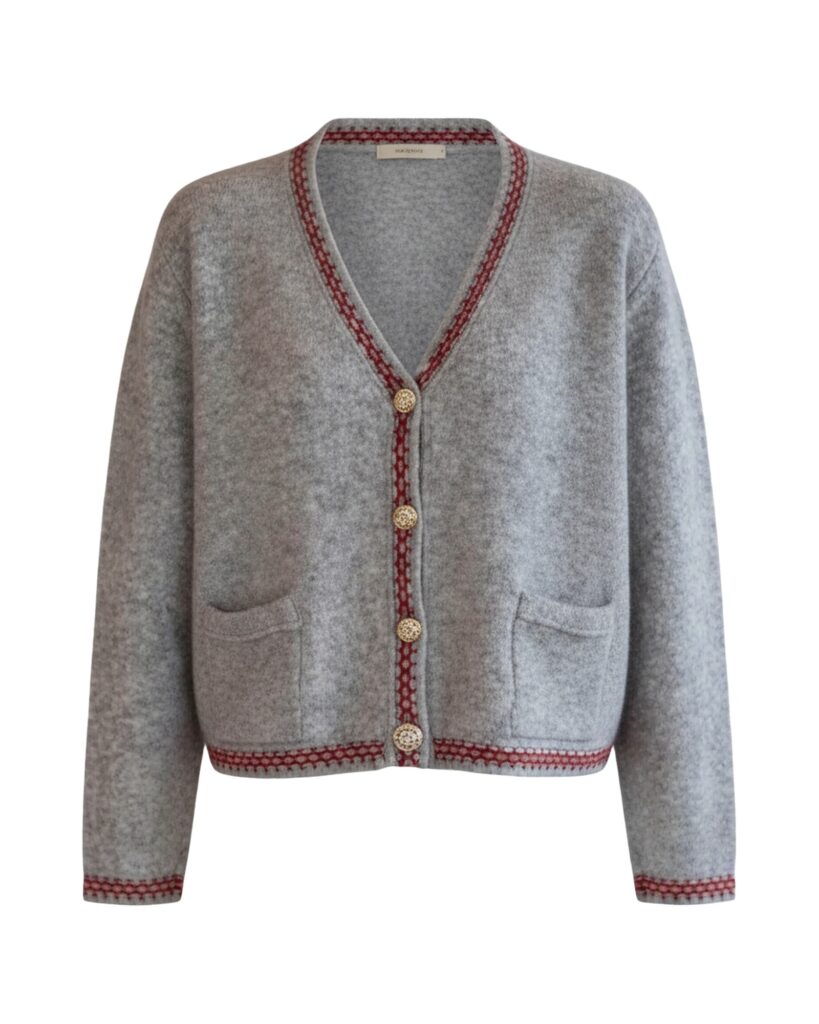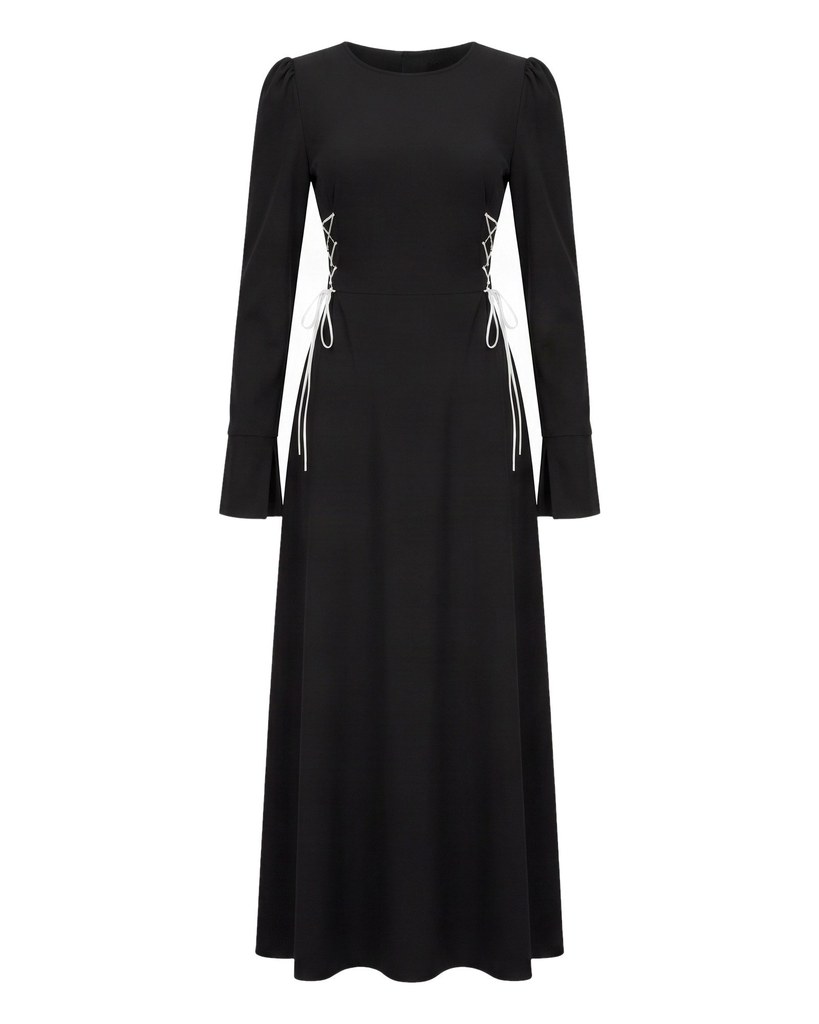
 Cardigans & jumpers
 Autumn looks
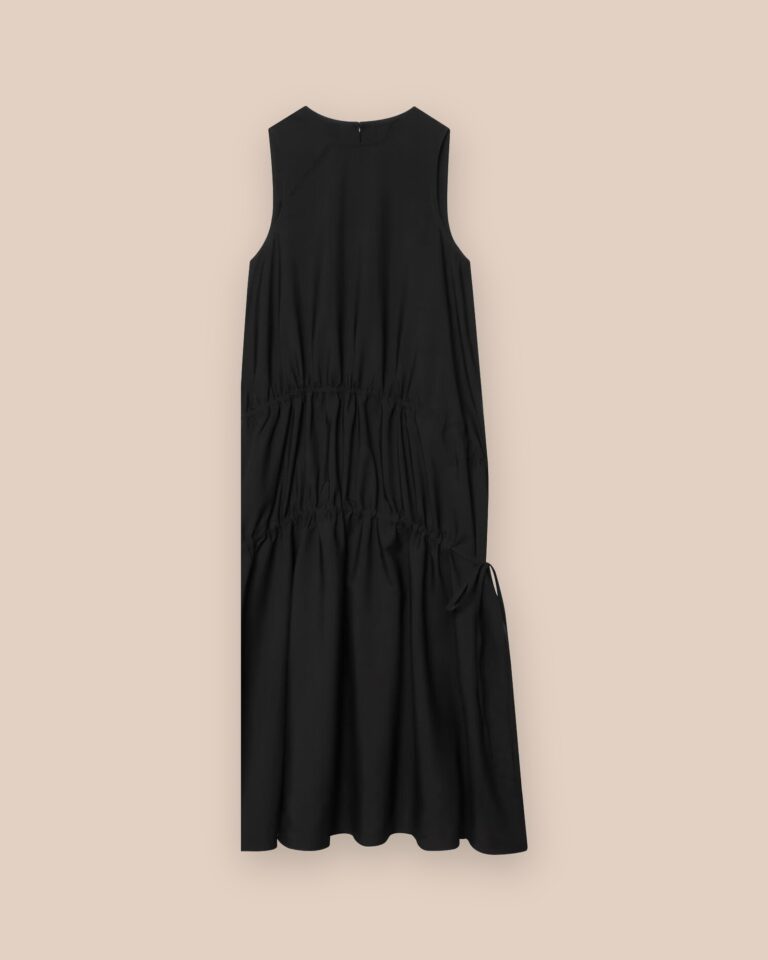 Kaat · Sleeveless tiered maxi dress
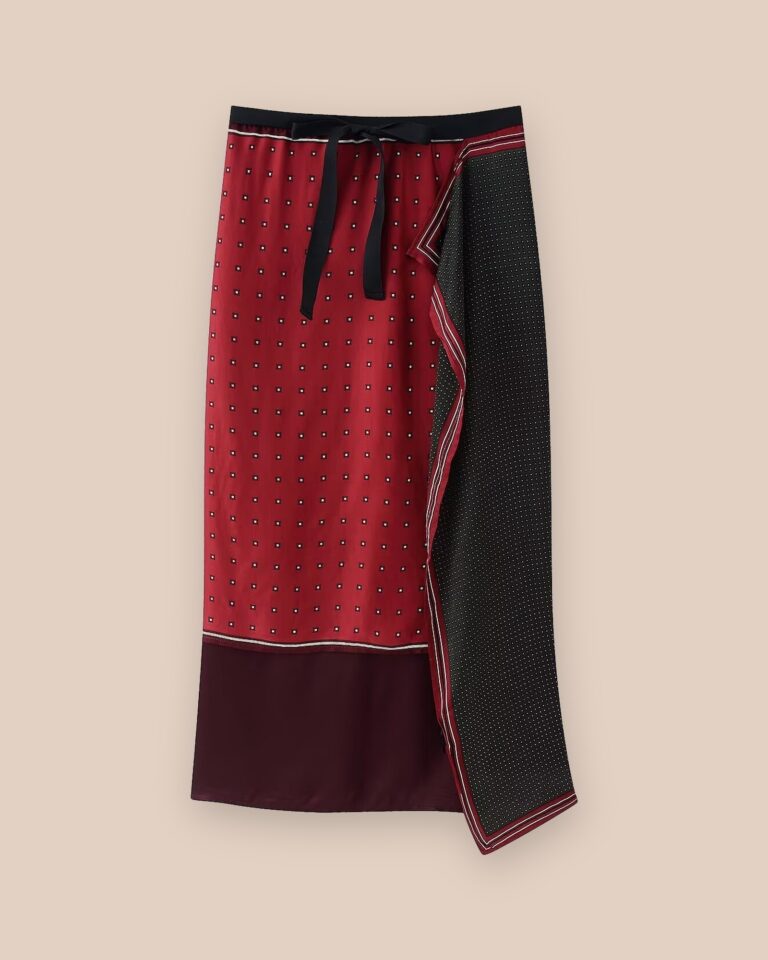 Nelleke · Printed long wrap skirt
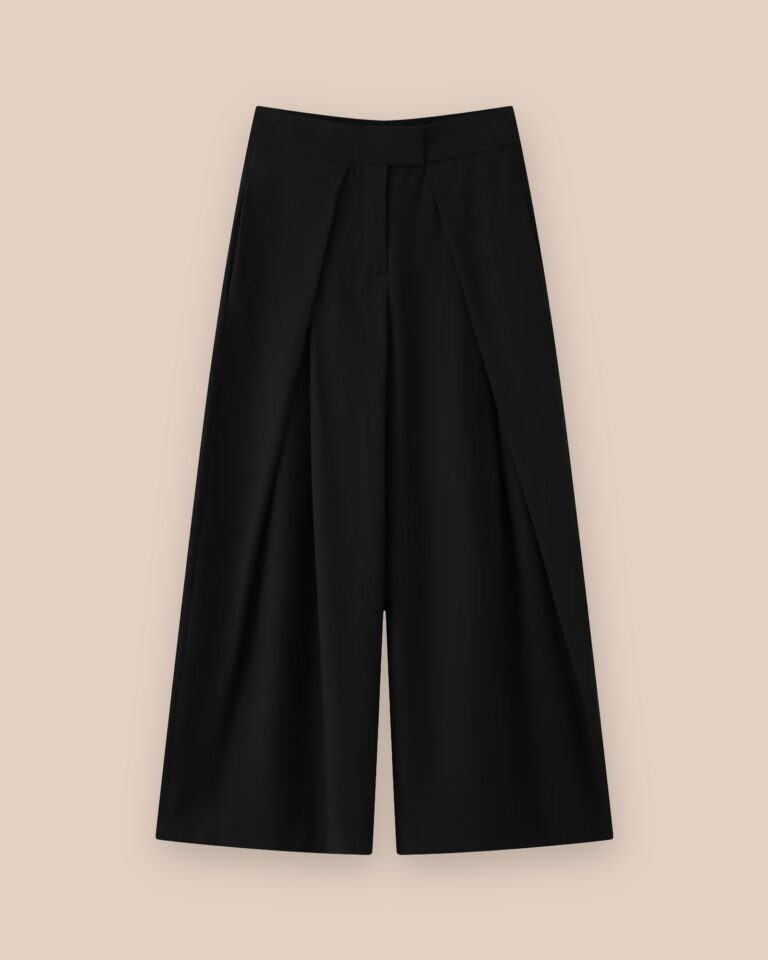 Dieuwke · Pleated wide-leg culottes
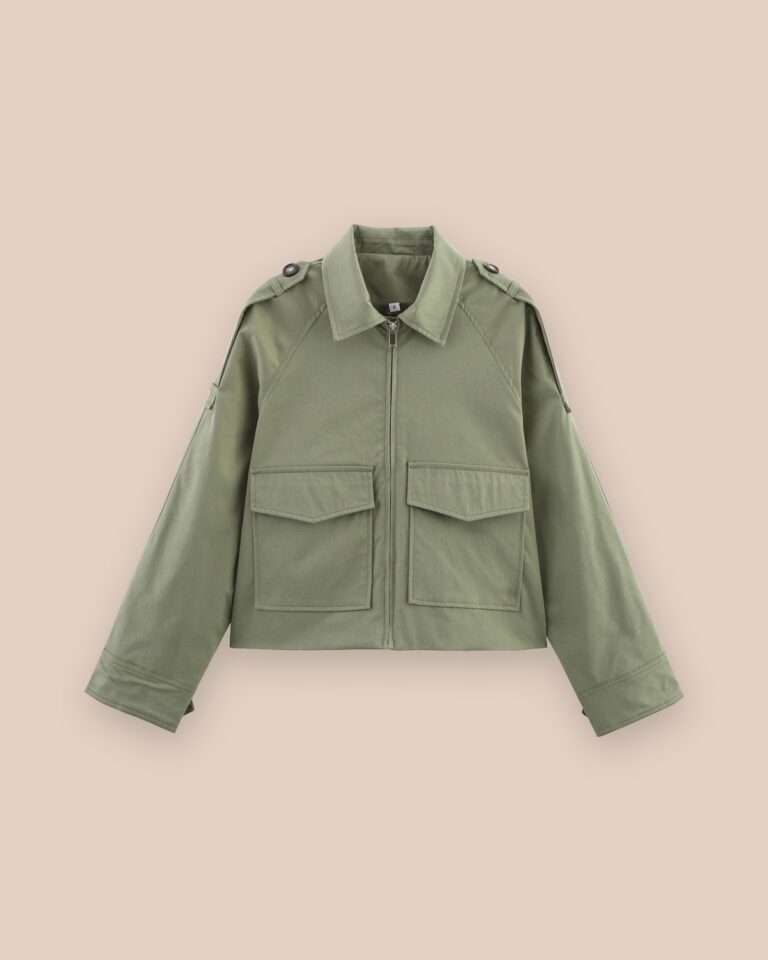 Ymke · Cropped zip jacket with flap pockets
In short: our size guide works in three steps. Measure your bust, waist and hips in centimetres over your underwear, compare those numbers with the centimetre chart on the product page of the piece you like, and check the fit status shown next to it. Our clothing is cut true to size, so in most cases you order the size you usually wear. Between two sizes? Choose the smaller one for stretchy knits and the larger one for woven fabrics without stretch. Not right after all? You have 14 days to return.
Last verified: 18 October 2026 · Written by the Lumasana team
Why this size guide starts with a measuring tape
Size labels are not a standard. An M from one brand is an L from another, and even within one wardrobe the same label can fit differently depending on the cut and the fabric. That is why every product page at Lumasana shows body measurements in centimetres per size. Centimetres do not lie: if you know your own bust, waist and hip measurements, you can read any chart in the world – not just ours. This size guide explains how to take those three measurements, how to read the chart and what to do when you fall between two sizes.
Step 1: take your three measurements
You need a soft measuring tape and about two minutes. Measure over your underwear, stand relaxed and keep the tape snug but not tight – it should lie flat against the body without pressing in.
- Bust: around the fullest part of your chest, with the tape level across your back. Breathe normally.
- Waist: around the narrowest part of your middle, usually just above the navel. Do not pull your stomach in.
- Hips: around the widest part of your hips and bottom, feet together.
Write the three numbers down; they change less often than you think, so you can reuse this size guide for every order. For trousers and skirts the hip measurement is the most important; for blouses, dresses and jackets it is the bust. If you want extra guidance for a specific category, we have separate guides for Trouser size guide, Blazer and coat size guide and Shoe size guide.
Step 2: read the size chart on the product page
Each product page shows a table with sizes in the first column and body measurements in centimetres in the others. Find the row where your bust, waist and hip measurements fit within the range. If one measurement falls outside the row that fits the others, let the most important measurement for that garment decide: hips for anything worn on the lower body, bust for anything worn on top. The table is the heart of the size guide and is specific to that garment – our pieces come from several ateliers, so an M in one dress may cover a slightly different range than an M in another. That is exactly why the chart, not the label, is the thing to trust.
What the fit status in this size guide means
Next to the chart you see a fit status: true to size, runs small or runs large. True to size means the garment fits as the chart says and you can order your usual size. Runs small means we advise one size up; runs large, one size down. We set this status per product from the garment’s actual measurements, so the advice is always consistent with the chart and with the fit line on the product page – you never have to choose between two contradicting signals.
Step 3: between two sizes? Decide by fabric and cut
If your measurements land exactly between two rows, the fabric decides. Knitwear, ribbed jersey and anything with stretch gives with the body: take the smaller size so the piece keeps its shape. Woven fabrics without stretch – satin, chiffon, crisp summer weaves, most blazers and coats – do not give: take the larger size for comfort, especially across the bust and hips. For garments with a tie belt or wrap front, choose the smaller size; the belt adjusts the rest. For oversized styles, order your usual size rather than sizing down – the extra room is part of the design, and we explain the proportions in our Oversized fit explained.
International sizes: an indicative conversion
If you usually shop in another sizing system, this table gives an approximate translation of common labels. It is indicative only – the centimetre chart on the product page always comes first.
| Label | EU | UK | US | IT |
|---|---|---|---|---|
| XS | 32–34 | 6–8 | 2–4 | 38–40 |
| S | 36–38 | 8–10 | 4–6 | 40–42 |
| M | 38–40 | 10–12 | 6–8 | 42–44 |
| L | 40–42 | 12–14 | 8–10 | 44–46 |
| XL | 42–44 | 14–16 | 10–12 | 46–48 |
| 2XL | 44–46 | 16–18 | 12–14 | 48–50 |
| 3XL | 46–48 | 18–20 | 14–16 | 50–52 |
European clothing sizes follow the EN 13402 standard published by the European Committee for Standardization (CEN), which defines sizes by body measurements in centimetres rather than by arbitrary numbers – the same principle this size guide uses.
Size guide quick checks before you order
- Compare with a favourite: lay a garment that fits you well flat and measure it across the bust or hip, then double the number. Compare it with the chart – a quick sanity check.
- Length matters as much as width: check total length and sleeve length in the chart if you are taller or shorter than average.
- Shoes are different: this size guide covers clothing; shoes are sized by foot length in centimetres, not body measurements. Our Shoe size guide covers that separately.
- Still unsure? Our Find your style & size asks a few short questions and shows a matching selection with the right size, no sign-up needed.
If the size is not right
You have a 14-day cooling-off period from the day you receive your order, under EU consumer law (see Your Europe – guarantees and returns). Try the piece on at home as you would in a fitting room, keep the labels attached, and if it does not fit, register your return and send it back. The exact steps are on our Returns & cancellation page and in the guide How to return an order. Ordering two sizes to compare at home is allowed; simply return the one you do not keep.
Frequently asked questions about our size guide
Should I order a size larger to be safe?
No, and this size guide is built on that principle. Our clothing is cut true to size unless the product page says otherwise, so your usual size is the right starting point. Ordering larger as a precaution usually results in sloppy shoulders and long sleeves. Trust your measurements and the centimetre chart; between two sizes, let the fabric decide as described above.
Does the size guide differ between products?
Slightly, yes. Our pieces come from different ateliers, and each has its own grading. That is why each product page carries its own chart in centimetres and its own fit status. Always read the chart for the specific item rather than assuming your size from a previous order.
What if my bust is one size and my hips another?
Let the garment decide. For dresses and jumpsuits, choose by the measurement that is least forgiving in that cut – usually the hips for straight styles and the bust for fitted bodices. A-line and wrap dresses accommodate a difference easily. For trousers and skirts the hip measurement always wins.
How do I measure if I do not have a measuring tape?
Use a piece of string or a phone charging cable: wrap it around your bust, waist and hips, mark the point where it meets and measure the length against a ruler or a tape measure. Alternatively measure a garment that fits well flat and double the width.
Do you offer one-size items and how do they fit?
A few knitwear pieces are one size. They are cut loose and open-front, so the width covers several sizes; the chart on the product page lists the total length and sleeve length, which decide whether the piece sits where you want it. If you are between the covered sizes, check those two numbers.
Can I exchange for another size?
Yes. Return the piece within 14 days and place a new order for the size you need – that is the fastest route, because the new order ships straight away rather than waiting for the return to arrive. Your refund for the returned item follows within 14 days of our receiving it or your proof of posting.
Read more