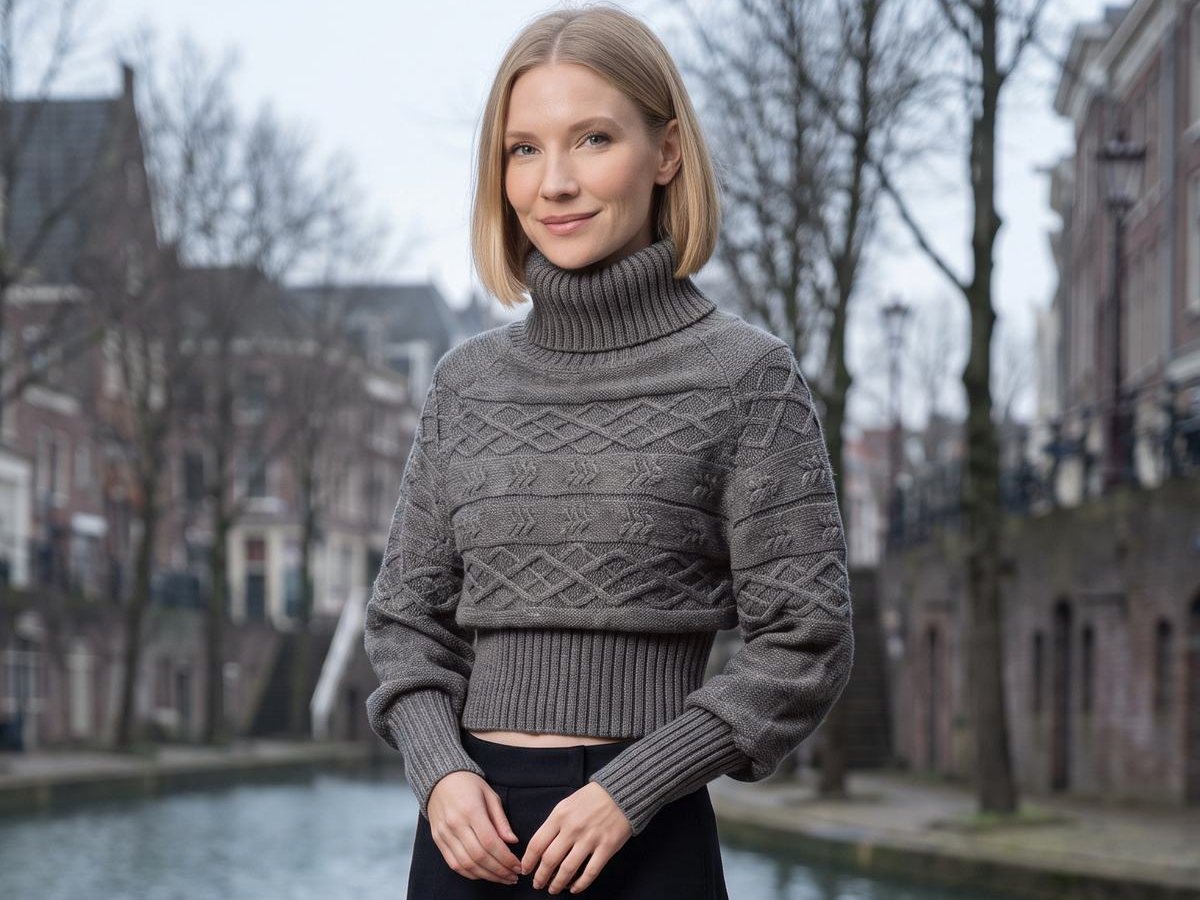
 Cardigans & jumpers
 Autumn looks
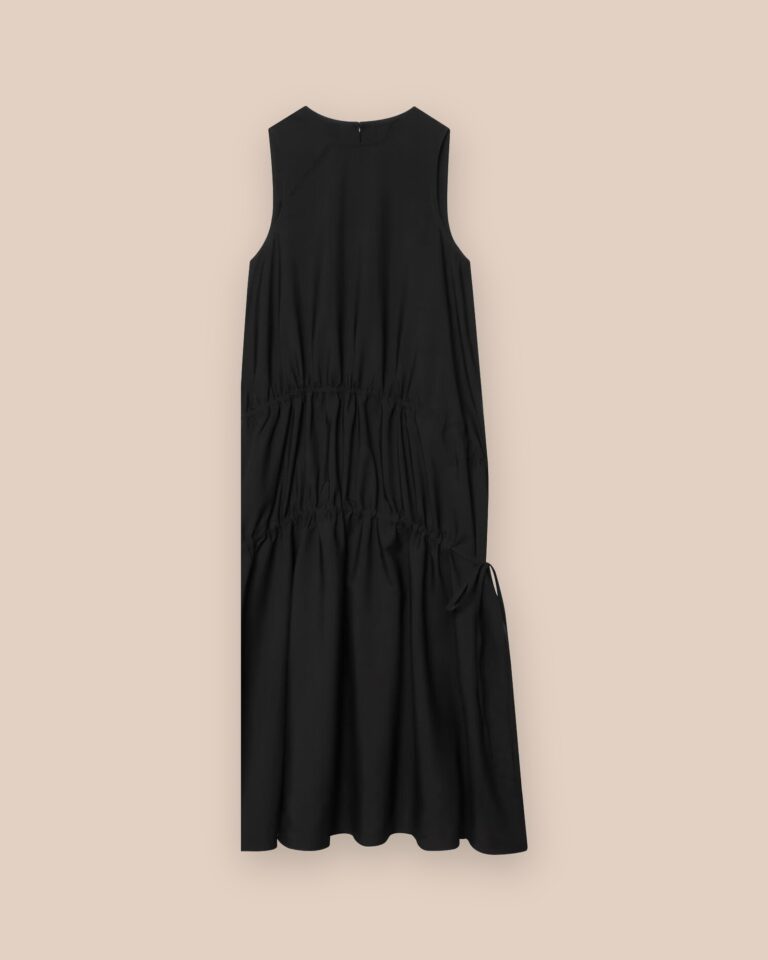 Kaat · Sleeveless tiered maxi dress
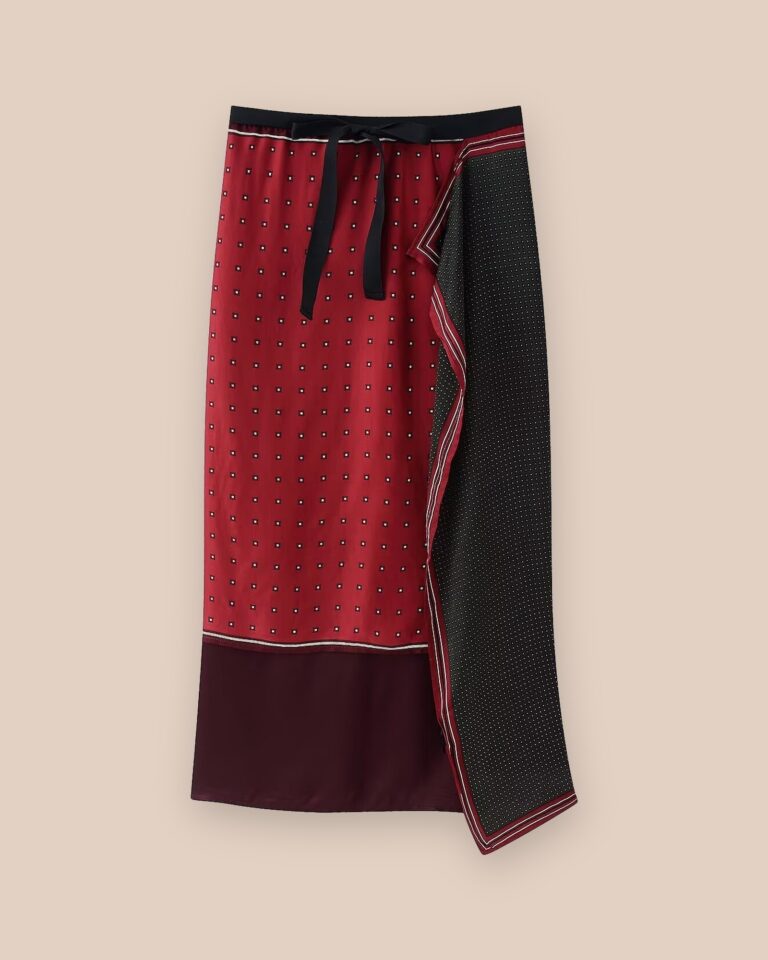 Nelleke · Printed long wrap skirt
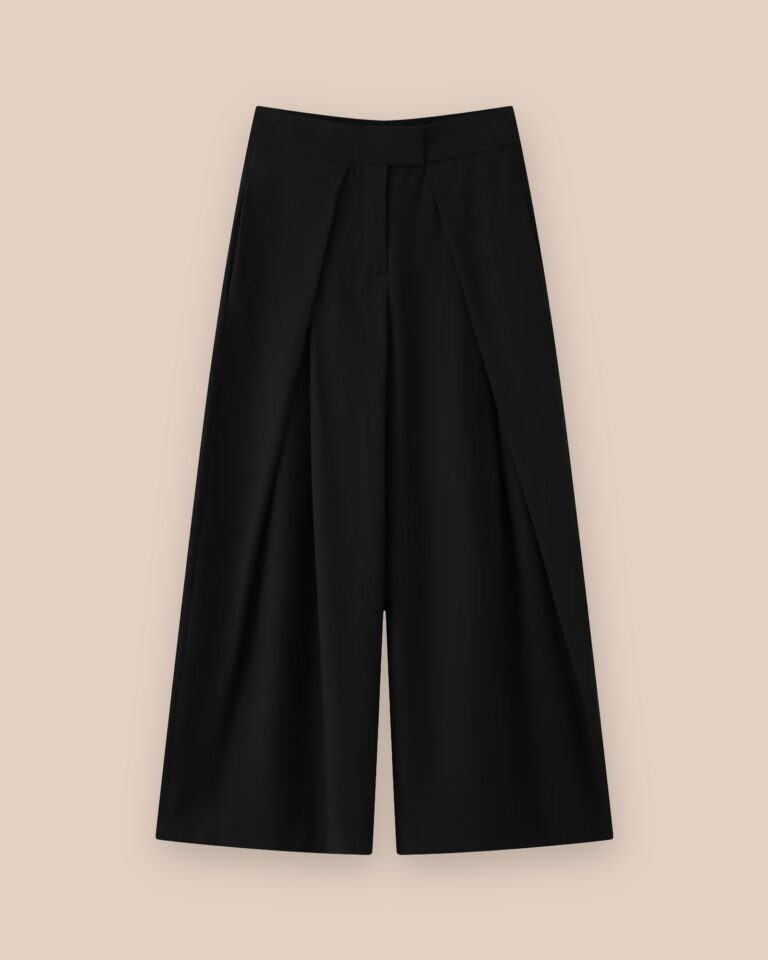 Dieuwke · Pleated wide-leg culottes
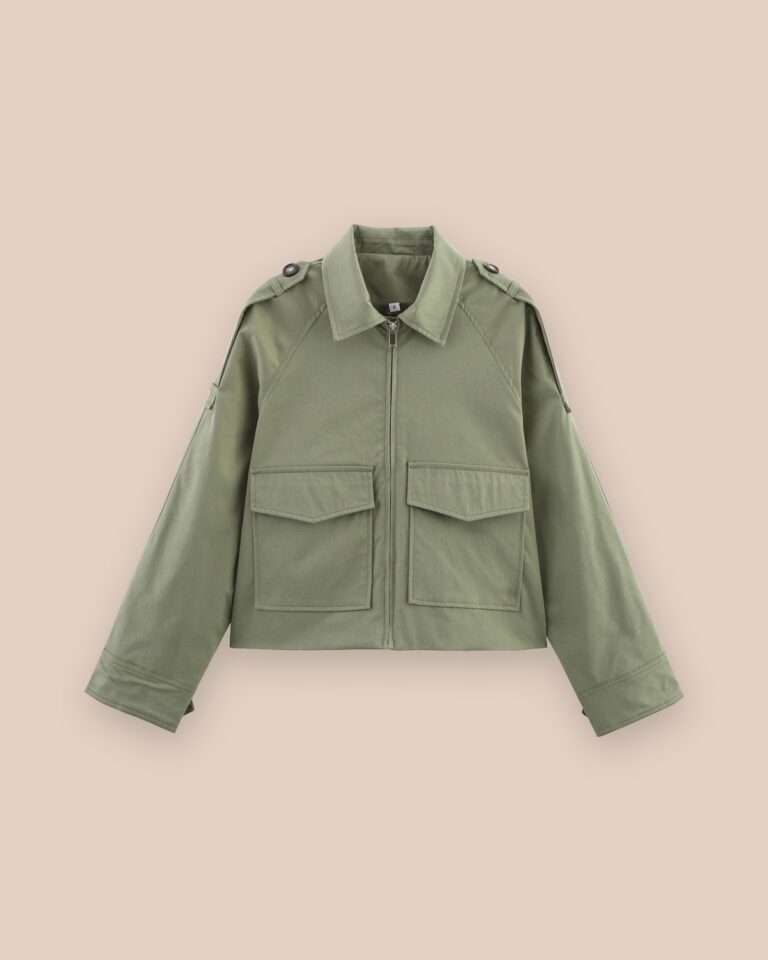 Ymke · Cropped zip jacket with flap pockets
In short: fabric decides how a garment feels, falls and behaves through the day more than the cut does. Satin and chiffon are fluid and light and suit occasions and summer; linen and cotton breathe and are the comfortable choice for warm days; knits stretch and warm; tweed, wool blends and velvet bring structure and warmth for autumn and winter. Each has one habit to know – satin shows pulls, linen creases, knits pill, velvet marks under pressure – and this fabric guide tells you which fabric to choose for which day and what to expect from it.
Last verified: 18 October 2026 · Written by the Lumasana team
How to use this fabric guide
A product name tells you the fabric; this fabric guide tells you what that means on the body. For each fabric below you will find how it feels, how it falls, how warm it is, how it behaves in the wash and what it is best for. Several of these names describe a weave or a construction, not a fibre: satin can be polyester, viscose or silk, and a knit can be cotton, wool or an acrylic blend. The fibre composition is on the label sewn into each garment – EU law (Textile Regulation 1007/2011) requires it – and it determines the care. This fabric guide is about choosing; the washing routines are in our Fabric care guide.
Fabric guide to fluid fabrics: satin and chiffon
Satin
Satin is a weave with a glossy face and a dull back, which is why it catches the light and falls in soft, heavy folds. It feels cool and smooth, skims rather than clings when it is cut with ease, and gives an outfit instant evening polish. Its habits: it shows pulls and snags, it can cling with static over tights, and it marks if ironed hot. Best for blouses under a blazer, shirt dresses, skirts and co-ord sets for dinners, meetings and events.
Chiffon
Chiffon is a sheer, very light plain weave with a slightly grainy hand. It floats, moves with every step and is the coolest fabric to wear in heat. It is semi-transparent by nature, which is why chiffon blouses and skirts are lined or worn over a camisole or slip. It creases in folds when stored flat and is delicate at the seams. Best for summer blouses with ruffles or embroidery, maxi skirts, cape tops and occasion wear.
Fabric guide to breathable fabrics: linen and cotton
Linen
Linen is made from flax and is the fabric of warm weather: it conducts heat away from the body, absorbs moisture and dries fast. It has a dry, slightly crisp hand that softens with every wash and a relaxed, textured look. Its one famous habit is creasing – linen wrinkles as soon as you sit – and the modern view is to wear it that way; a linen blend creases less. Best for trousers, shorts and blouses from late spring to early autumn; summer blazers vary in weave.
Cotton
Cotton is soft, breathable and easy – the fabric of tees and everyday blouses. Combed cotton is smoother and pills less than ordinary cotton; brushed cotton is warmer and softer; a cotton-linen blend combines softness with linen’s coolness. It absorbs sweat and dries slowly, and white cotton greys if washed with colours. Best for base layers, tees, relaxed shirts and loungewear all year round.
Fabric guide to warm fabrics: knits, wool blends, tweed and velvet
Knitwear
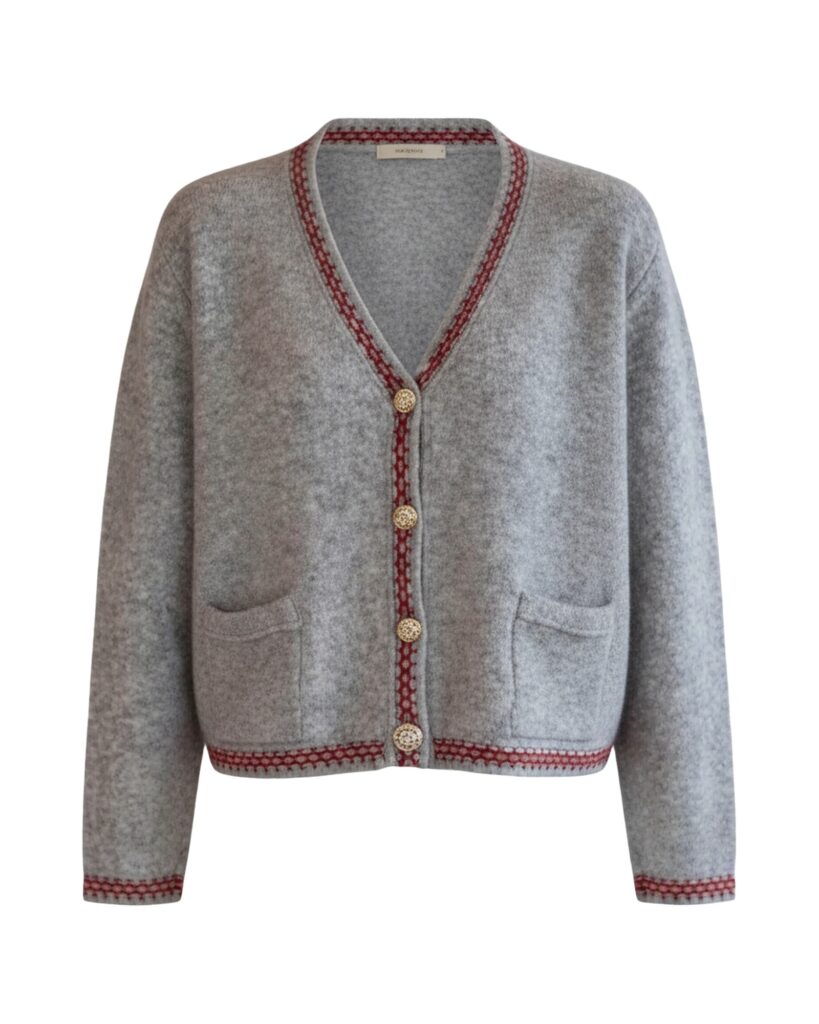
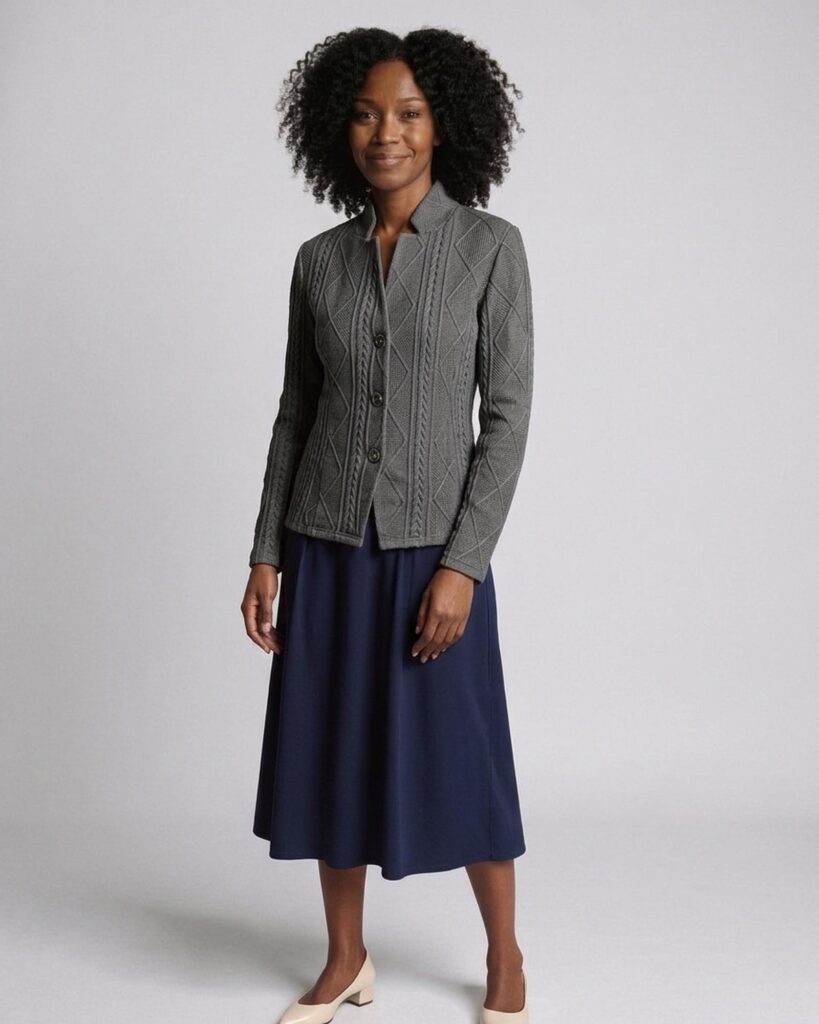
A knit is a construction, not a fibre: loops of yarn that stretch and recover, trap warm air and follow the body. Fine knits behave like a jumper and layer under coats; ribbed knits cling more and look sleek; cable knits are the thickest and cosiest; jacquard knits add pattern with structure. Knits can be cotton, wool, acrylic or a blend – the label says which – and all of them pill at friction points and stretch if hung wet. Best for cardigans, jumpers, knit dresses and skirts, knit co-ord sets and loungewear from autumn to spring. How to wear them is in How to style a knit cardigan.
Wool blends
A wool blend combines wool’s warmth and resilience with another fibre for softness, price or easier care. It drapes well, holds a tailored shape, resists creasing and insulates even when slightly damp. Its habits: it needs airing rather than washing, it can feel warm indoors, and it attracts pills at the cuffs. Best for coats, tailored blazers and suit trousers in the cold months; our product pages list each coat’s composition.
Tweed
Tweed is a textured woollen weave, often with flecks or a herringbone or check pattern. It is dense, warm and structured, so it holds a blazer’s shape and looks sharp with a plain top. Its habits: it can feel firm on the first wear and softens; it does not stretch. Best for blazers, overcoats and blazer-and-skirt sets for autumn and winter – and in lighter weights, textured colour-block blazers for spring.
Velvet
Velvet has a short, dense pile that gives it depth of colour and a soft, warm hand. It drapes with weight, suits evening and winter occasions, and feels luxurious against the skin. Its habits: it marks where it is pressed – never iron it flat – and it collects lint. Best for fitted blazers, midi dresses and skirts for dinners and celebrations in the darker months.
Faux leather and faux suede
Coated or brushed synthetic fabrics that look and feel like leather and suede without the weight or the care demands. Faux leather blocks wind and light rain and gives a trench a sharp line; faux suede is soft and matte. Neither stretches, both dislike heat and sun, and both are wiped or brushed clean. Best for trench jackets in spring and autumn.
Choosing a fabric for the day: a short fabric guide by occasion
- Warm day, long hours out: linen trousers or shorts, a cotton or cotton-linen blouse, chiffon over a camisole.
- Office, all seasons: tailored or textured blazer, satin or cotton blouse, straight suit trousers; a fine knit instead of the blouse in winter.
- Dinner or event: satin shirt dress or co-ord set, velvet blazer, chiffon maxi skirt.
- Cold day: cable or ribbed knit under a tailored or double-breasted coat; a knit dress with a turtleneck.
- Travel: knits and jersey, which do not crease; a faux-suede jacket; avoid satin and linen for the suitcase.
Fabric also decides your size between two rows on the chart: knits and jersey take the smaller size, woven fabrics the larger – the Size guide explains why. The care symbols on each label are decoded at Clevercare. Browse fabrics in the collection through our Blouses & Tunics, Trousers and Coats & Jackets.
Frequently asked questions from our fabric guide
What is the best fabric for hot weather?
Linen first, then cotton and chiffon. Linen conducts heat away and dries fast, cotton is soft and breathable, chiffon is light and airy worn over a camisole. Avoid satin and heavy knits on hot days; they hold warmth. A linen blend gives you linen's coolness with fewer creases.
Is satin always made of silk?
No. Satin is a weave, not a fibre. Most satin garments are polyester or viscose satin; silk satin is rarer and more delicate. The label sewn into the garment states the fibre, and it decides the care: polyester satin can be machine washed cool, silk usually cannot.
Which fabric creases the least?
Knits and jersey crease least because the loops recover their shape, followed by wool blends and polyester satin. Linen creases most, cotton and chiffon in between. For travel, pack knits and jersey; for a long day of sitting, choose a wool-blend trouser over linen.
Why does knitwear pill and does the fabric matter?
Pilling happens when short fibres on the surface rub and tangle into small balls at friction points. Softer, loosely spun yarns pill more than tightly spun ones; blends with acrylic often pill more than pure cotton or wool. A knit comb removes pills; washing inside out and drying flat slows them down.
What is the difference between tweed and a wool blend?
Tweed is a specific textured woollen weave with a dense, structured hand, usually patterned with flecks, herringbone or checks. A wool blend is any fabric that mixes wool with another fibre and can be smooth or textured. Tweed is typically used for blazers; wool blends for coats and trousers.
Is faux leather warm?
It blocks wind and light rain, which makes a faux-leather trench feel warmer than a cotton one on a blustery day, but it has no insulation of its own. For cold weather wear a knit underneath or choose a wool-blend coat. Faux leather is a transitional fabric for spring and autumn.
Does this fabric guide tell me which fabrics are see-through?
Yes. Chiffon is semi-transparent by nature and is lined or worn over a camisole. Light satin and white or cream cotton can show underwear in bright light; choose a skin-tone slip or camisole. Knits, tweed, wool blends and velvet are opaque.
Read more