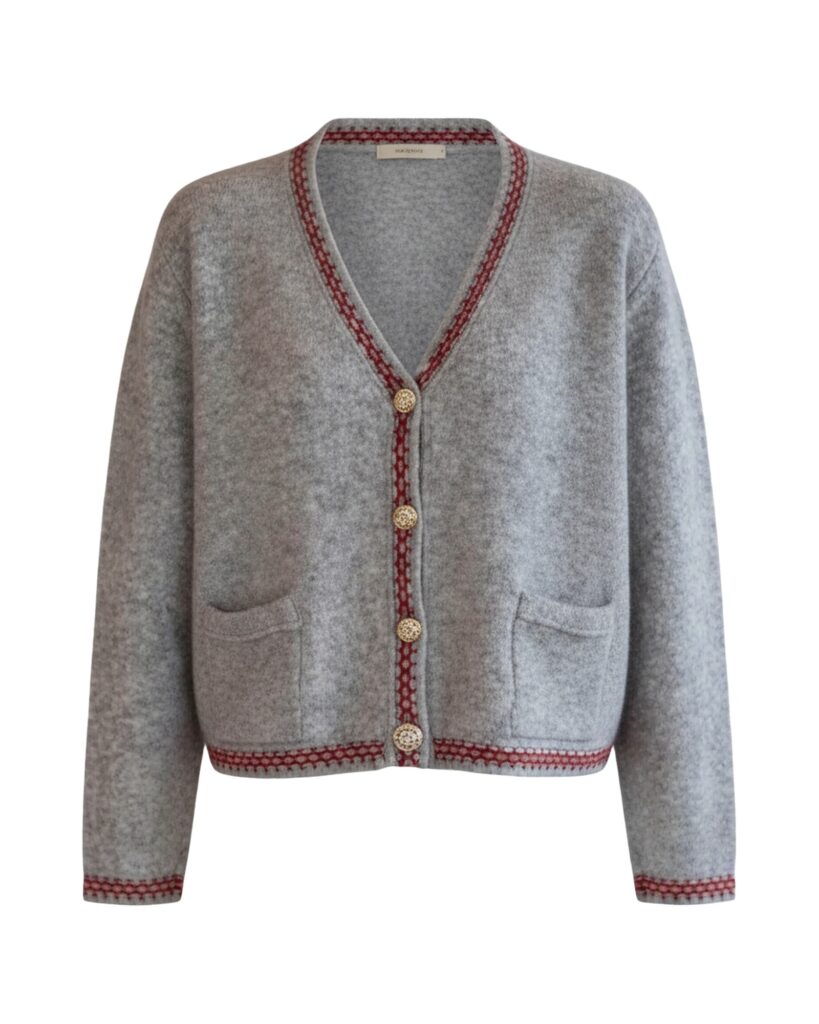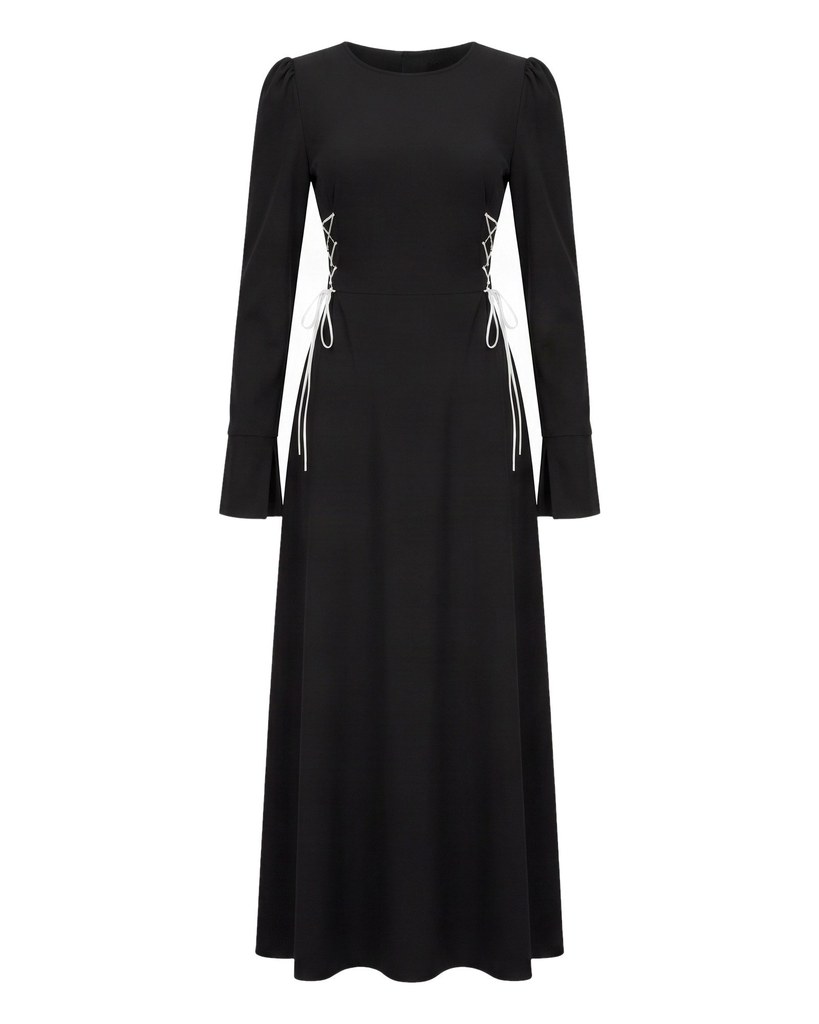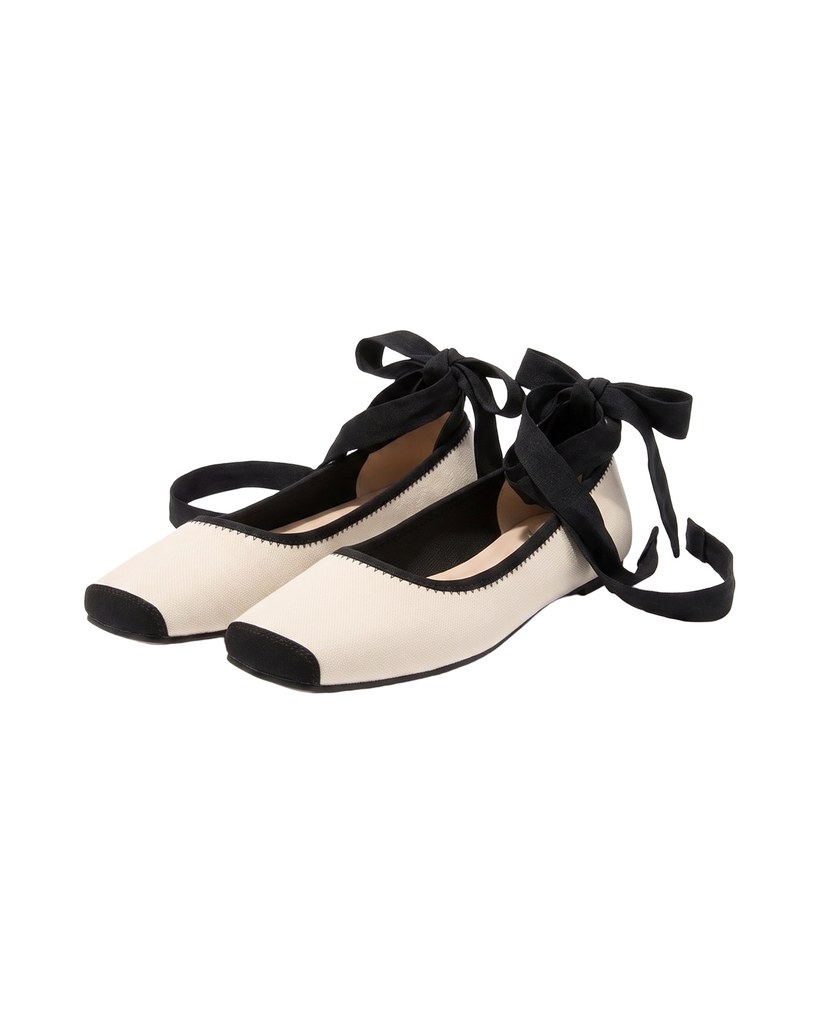
 Cardigans & jumpers
 Autumn looks
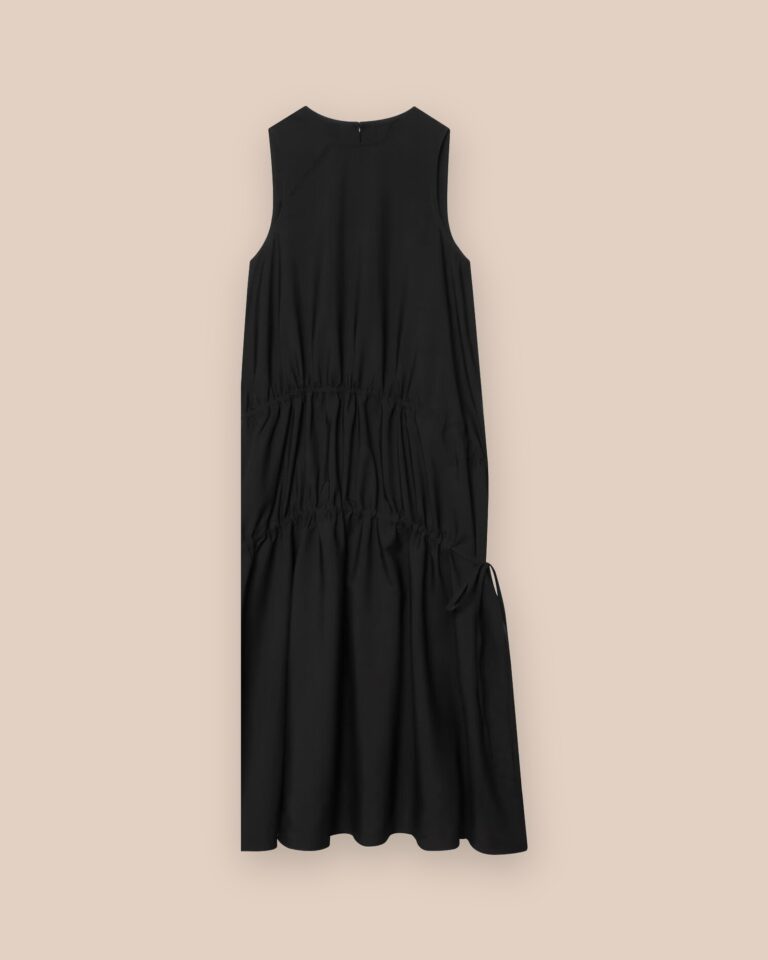 Kaat · Sleeveless tiered maxi dress
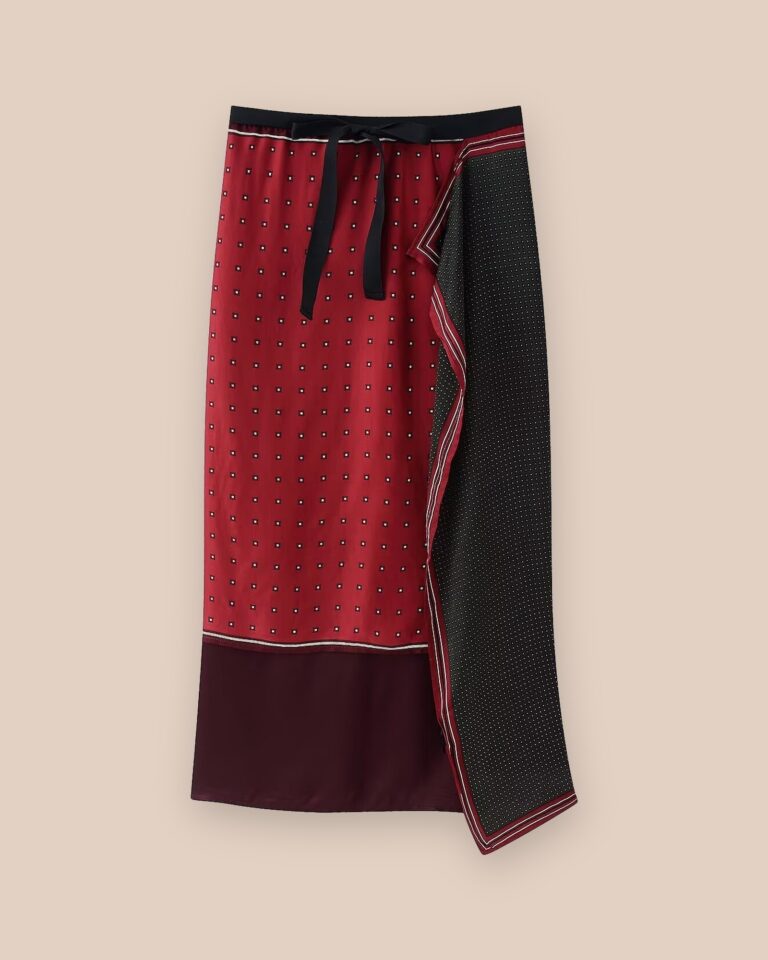 Nelleke · Printed long wrap skirt
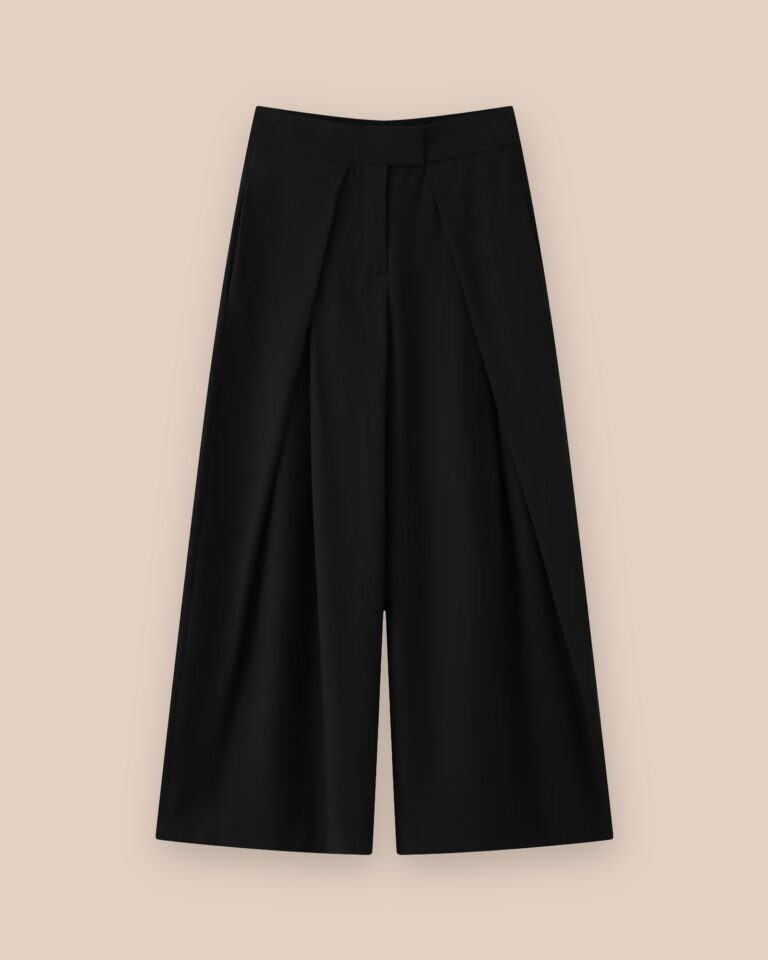 Dieuwke · Pleated wide-leg culottes
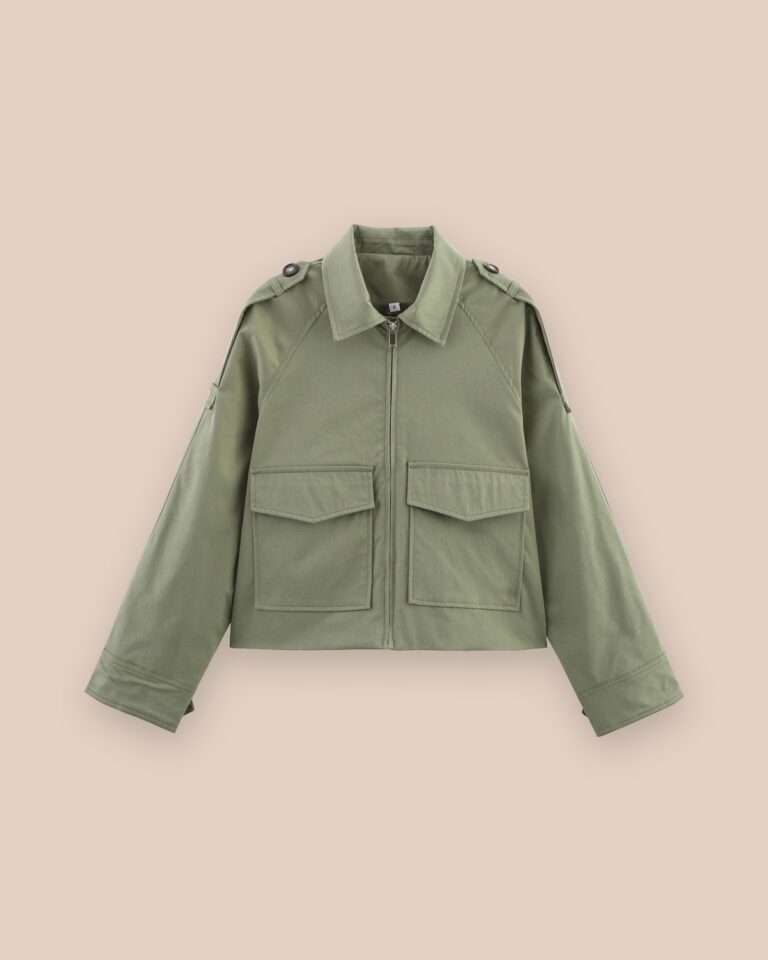 Ymke · Cropped zip jacket with flap pockets
In short: your shoe size follows from your foot length in centimetres. Stand on a sheet of paper in the evening, mark heel and longest toe, measure the distance and add about half a centimetre of room. Compare that number with the size table on the product page – our shoes run from EU 34 to 43 depending on the style. Between two sizes, take the larger one for loafers and closed flats and the smaller one for mules and open styles. A wide foot or a high instep usually needs a half to a full size more.
Last verified: 18 October 2026 · Written by the Lumasana team
Why shoe size is a number in centimetres first
Shoe sizes look precise but are not standardised across brands. A 38 from one maker can be a 37 or a 39 from another, because each uses its own last – the foot-shaped form the shoe is built on – and its own allowance for toe room. What is constant is your foot: its length in centimetres does not change between brands. That is why this shoe size guide starts with a measurement, not a label, and why every shoe on our product pages shows the inner length in centimetres per size. Once you know your foot length, you can read any size table with confidence.
How to measure your foot length at home
- Measure in the evening. Feet swell slightly during the day; the evening measurement is the one your shoes have to fit.
- Stand on a sheet of paper against a wall, heel touching the wall, wearing the socks or tights you would wear with the shoe.
- Mark the longest toe. Have someone draw a line at the tip of your longest toe – it is not always the big toe – or do it yourself bending as little as possible.
- Measure both feet. Measure from the edge of the paper (the wall) to the mark. Most people have one foot slightly longer; use the longer one.
- Add room. Add 0.5 to 1 cm for toe room: 0.5 cm for mules and fitted flats, up to 1 cm for shoes you will walk in for hours.
Measure the width too if you know your feet are wide; see the section on wide feet below.
Shoe size conversion: foot length to EU, UK and US
The table below is the common conversion between foot length and the three sizing systems you will meet. It is indicative – the size table on the product page for the specific shoe always comes first, because it is measured on that shoe’s last.
| Foot length (cm) | EU | UK | US (women) |
|---|---|---|---|
| 21.5 – 22.0 | 34 | 1.5 – 2 | 4 – 4.5 |
| 22.0 – 22.5 | 35 | 2.5 | 5 |
| 22.5 – 23.0 | 36 | 3.5 | 6 |
| 23.0 – 23.5 | 37 | 4 | 6.5 |
| 24.0 – 24.5 | 38 | 5 | 7.5 |
| 24.5 – 25.0 | 39 | 6 | 8.5 |
| 25.5 – 26.0 | 40 | 6.5 | 9 |
| 26.0 – 26.5 | 41 | 7.5 | 10 |
| 27.0 – 27.5 | 42 | 8 | 10.5 |
| 27.5 – 28.0 | 43 | 9 | 11.5 |
European sizes are based on the Paris point: one size step is two thirds of a centimetre, which is why EU sizes have no half sizes and why a foot that measures between two rows has to choose. The international Mondopoint system uses the foot length in millimetres directly, and the European standards body CEN publishes EN ISO 19407 for converting between sizing systems – the same idea as this guide. For clothing sizes, which work very differently, see our general Size guide.
Choosing your shoe size per style
Loafers and derby flats
Closed, structured shoes should feel snug across the instep on the first wear and ease slightly with use; the toes should lie flat with a little room ahead. Between two sizes, take the larger one – a loafer that is too short cannot be fixed. A leather or leather-look upper softens with wear; a croc-effect finish stays closer to its first fit.
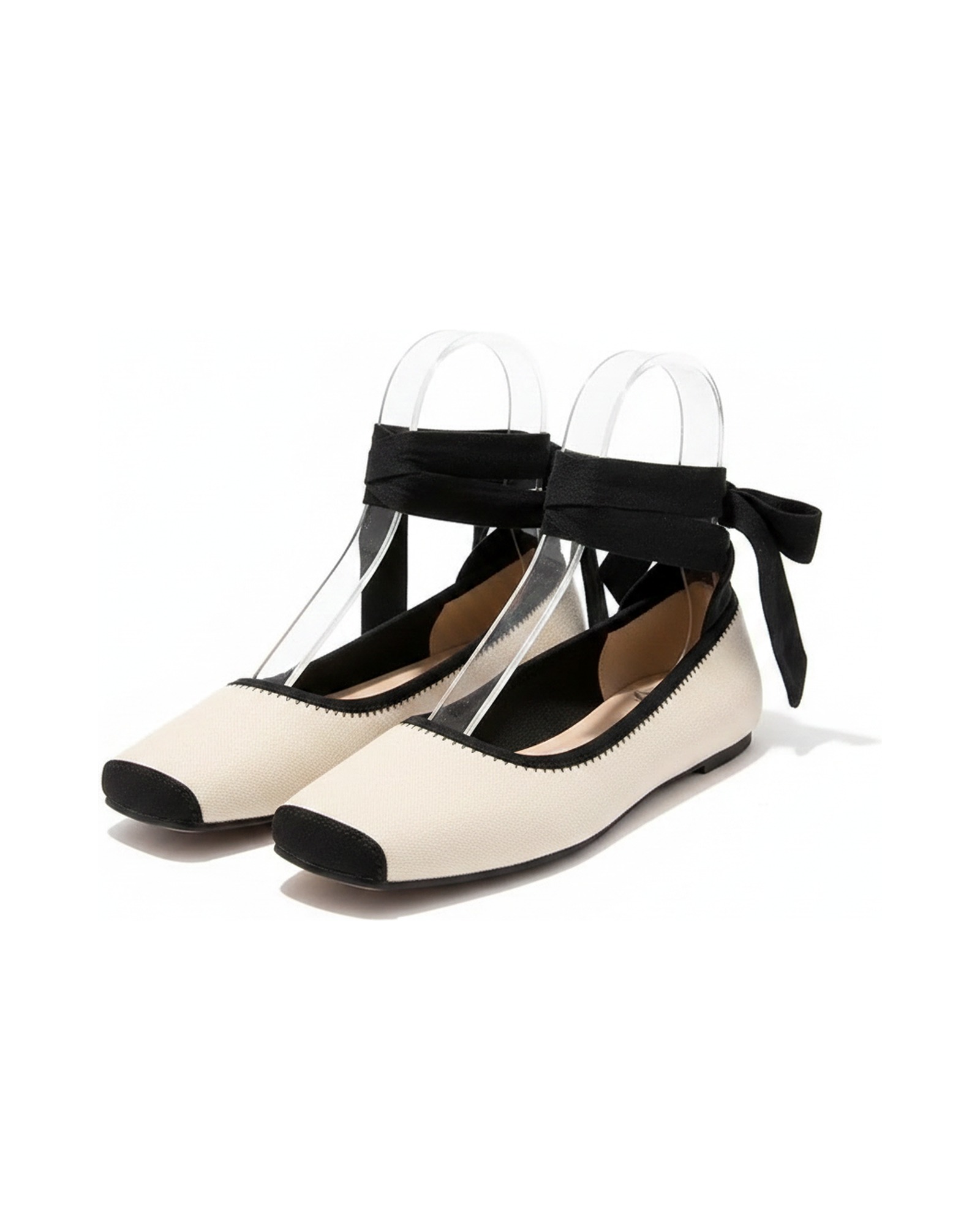
Ballet flats and cap-toe flats
Ballet flats have little structure and sit close to the foot, so they should fit without gaping at the sides or slipping at the heel. If you are between sizes, the smaller size often holds the heel better; the larger size is right if your toes feel pressed. A square or almond toe gives more room than a pointed one.
Mules and clogs
Open-backed shoes need to hold the foot without gripping the toes: the ball of your foot should sit in the widest part of the sole and your heel should rest on the footbed, not hang over it. Choose the smaller size when in doubt, because an open shoe that is too long slides with every step. Faux-fur-lined clogs are worn with a sock in winter – size for the sock.
Pumps and kitten heels
A heel pushes the foot forward, so a pump often fits half a size smaller than a flat of the same length. Make sure the toe box does not pinch and the heel cup holds the foot; a small slip at the back on the first wear is normal and settles. A kitten heel under five centimetres is the most comfortable height for a full day.
Wide feet, high instep and half sizes
EU sizes have no half sizes, so a foot between two rows chooses by the shape of the shoe: larger for closed styles, smaller for open ones. A wide foot or a high instep takes up room lengthwise too, so go up a size in closed shoes and prefer styles with an adjustable element – a buckle, a monk strap or a lace. Square and almond toes are kinder to wide feet than pointed ones. One foot longer than the other? Size for the longer foot and use a thin insole in the other shoe. For how hem lengths balance the shoe, see our Why the midi dress flatters every figure – and how to choose yours and Trouser size guide.
If the shoe size is not right
Try shoes on indoors on a rug so the sole stays clean. If the size is wrong, you have 14 days from delivery to return the pair under EU consumer law (Your Europe – guarantees and returns); keep the box. Our Returns & cancellation page explains the steps; the fastest route to the right size is a new order while the return travels. Browse the current styles in our Shoes & Slippers.
Frequently asked questions about shoe size
How do I know my shoe size without trying shoes on?
Measure your foot length in centimetres: stand on paper against a wall in the evening, mark your longest toe, measure the distance and add half a centimetre to one centimetre of room. Compare that number with the size table on the product page, which lists the inner length per size.
Should I order loafers a size bigger?
Not as a rule. Order the size that matches your foot length plus room; loafers should feel snug across the instep at first and ease with wear. Only if you fall exactly between two sizes, or have a wide foot or high instep, take the larger size for closed shoes.
What is the difference between EU, UK and US shoe sizes?
They are three different scales for the same foot. EU sizes step in Paris points of two thirds of a centimetre and have no half sizes; UK and US sizes step in thirds of an inch and include half sizes, and US women's sizes run about one and a half numbers higher than UK. Convert via foot length, never directly.
My feet are two different sizes – which do I choose?
Size for the longer foot. A thin insole or a heel grip in the shoe for the shorter foot evens the fit. If the difference is more than half a size, choose styles with an adjustable element such as a buckle or monk strap so each shoe can be set separately.
Do mules fit differently from closed shoes?
Yes. A mule has no heel counter, so it must hold the foot at the front: the ball of the foot should sit in the widest part of the sole and the heel should rest fully on the footbed. When in doubt choose the smaller size, because a long mule slides with every step.
Do shoes stretch with wear?
Leather and leather-look uppers soften and give a little in width with wear; they do not get longer. Synthetic and croc-effect finishes stay close to their first fit. Never buy a shoe that is too short expecting it to stretch; a slightly snug width in a leather or leather-look loafer will ease.
Which shoe size should I choose for a kitten heel pump?
A heel pushes the foot forward, so a pump often fits like a flat half a size smaller. Measure your foot length, compare it with the inner length on the product page and make sure the toe box does not pinch. A small heel slip on the first wear is normal and settles as the shoe moulds.
Read more