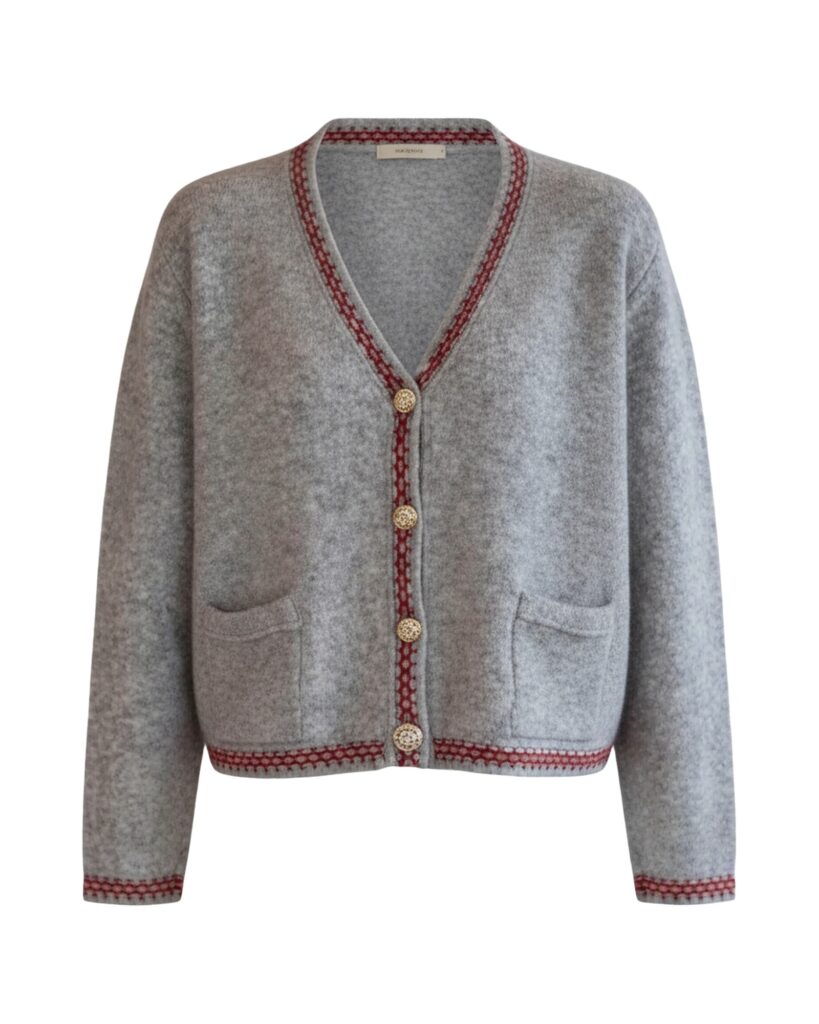
 Cardigans & jumpers
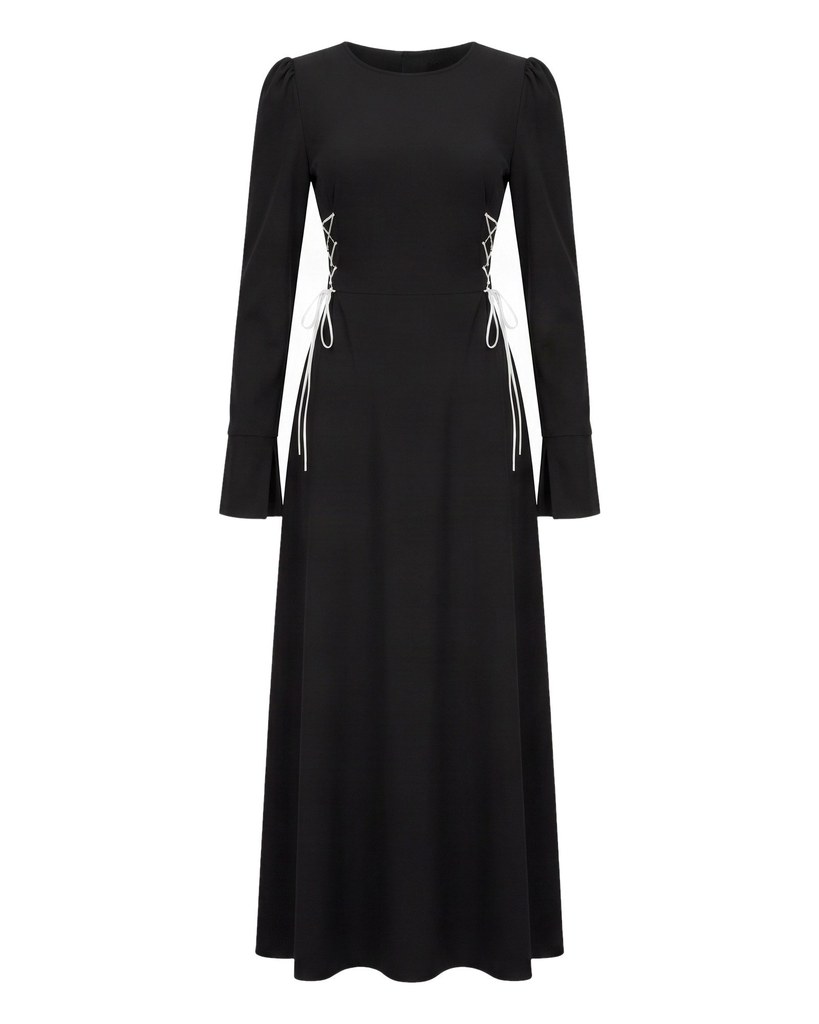
 Autumn looks
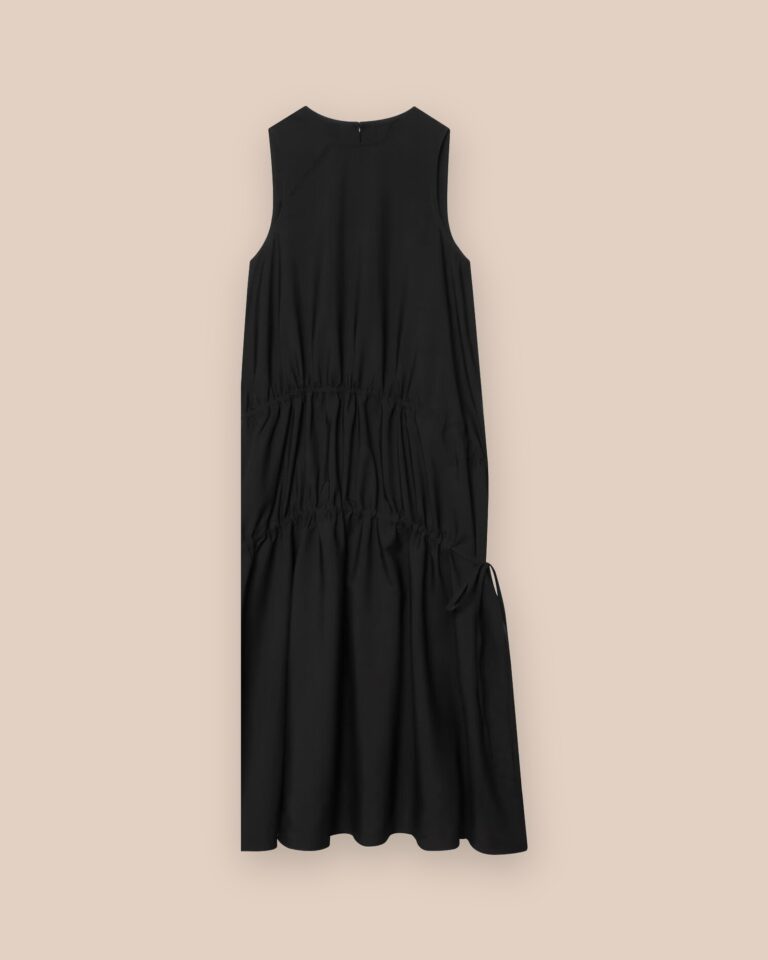 Kaat · Sleeveless tiered maxi dress
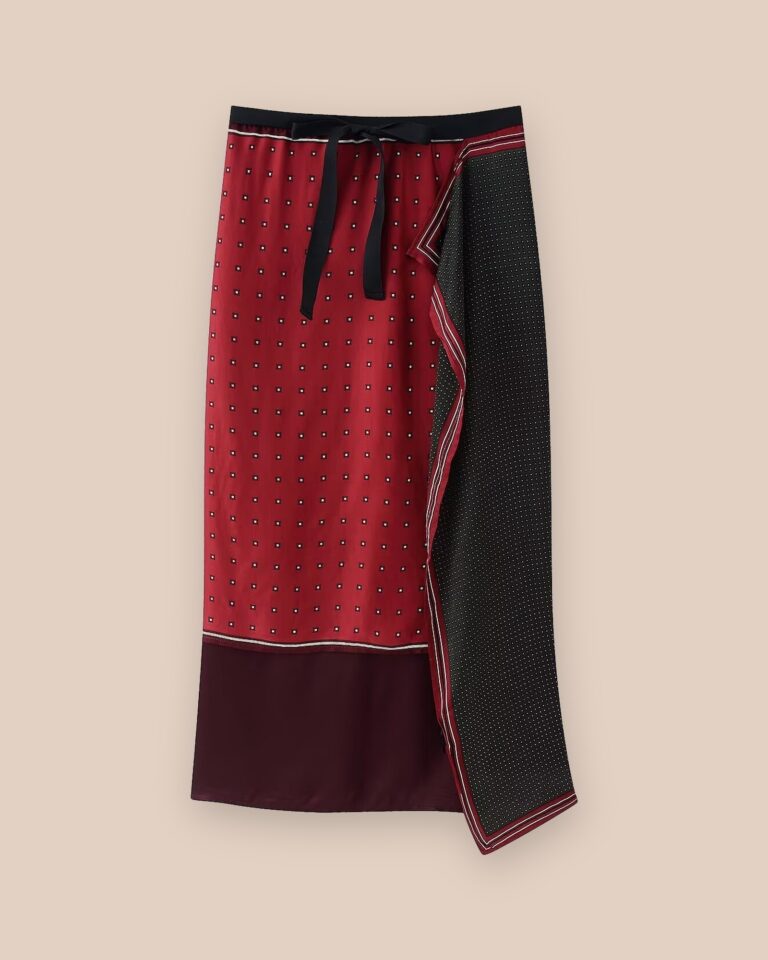 Nelleke · Printed long wrap skirt
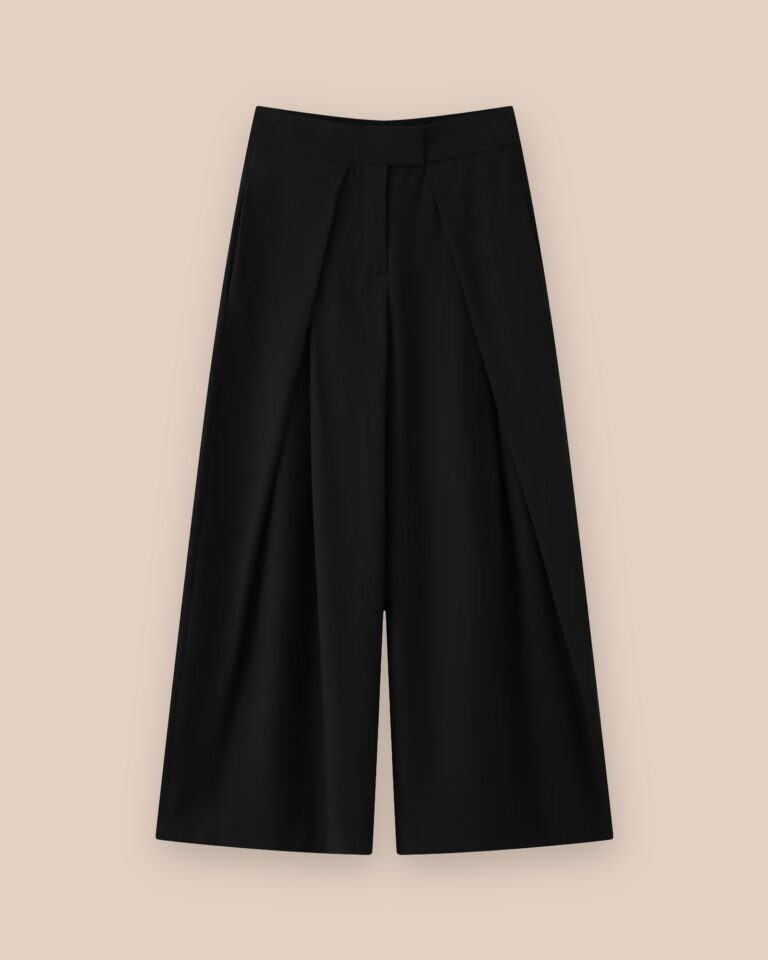 Dieuwke · Pleated wide-leg culottes
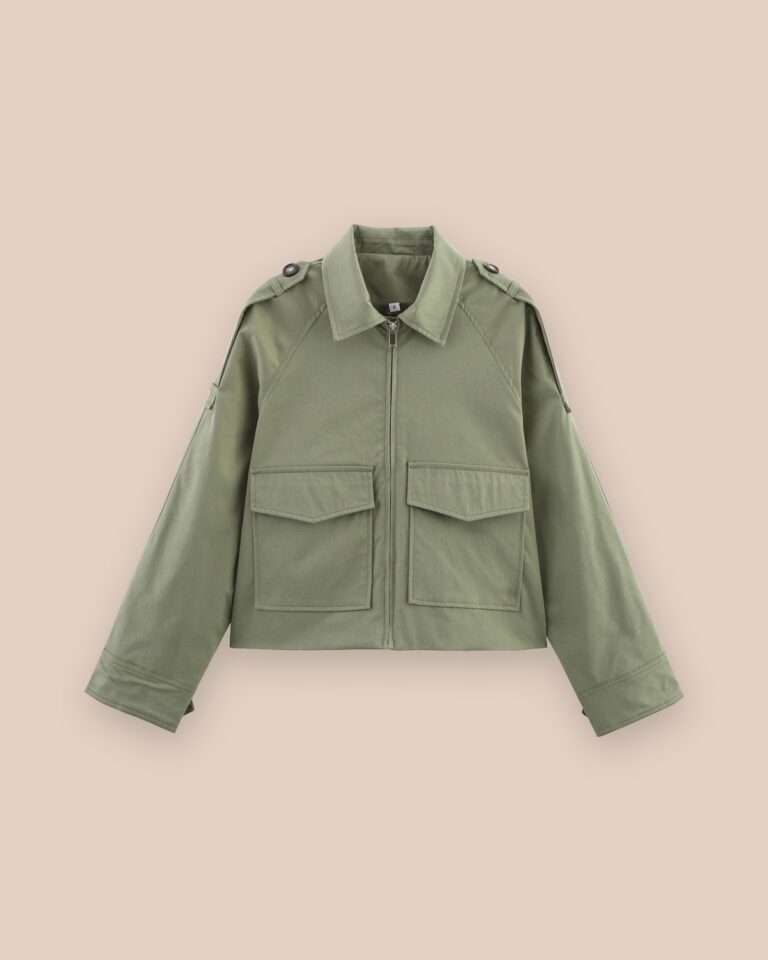 Ymke · Cropped zip jacket with flap pockets

In short: good fabric care comes down to three habits: wash cool (30 °C or cold) on a gentle cycle, skip the tumble dryer, and dry knitwear flat. Satin and chiffon go in a laundry bag and are ironed inside out on low; velvet is steamed, never pressed; linen is ironed slightly damp; wool blends are aired more than washed. Always follow the care label sewn into the garment – it is written for that exact fabric. Done this way, your favourites last for years.
Last verified: 18 October 2026 · Written by the Lumasana team
Fabric care starts with the label
Every garment carries a small label with five symbols: washing, bleaching, drying, ironing and professional cleaning. They are standardised internationally and owned by GINETEX, and the independent Clevercare site explains them in plain language. The numbers inside the washtub are the maximum temperature, a bar underneath means a gentler cycle, a cross means do not. Read the label before the first wash: it is written for the specific fabric and finish of that piece, and it overrides any general advice – including ours. The rest of this fabric care guide gives you the routine per fabric, so you know what the label is asking of you and why.
Five fabric care rules that apply to almost everything
- Wash cool. 30 °C or a cold cycle cleans normally soiled clothes perfectly well, protects colour and shape and saves energy. The consumer advice body Milieu Centraal gives the same advice.
- Turn it inside out. The outside stays smooth and the colour stays deep; friction happens on the inside.
- Skip the dryer. Heat is what shrinks knits, dulls satin and crushes velvet. Hang or lay flat instead.
- Do not overload the machine. Clothes need room to rinse; a half-empty drum is better fabric care than a full one.
- Air before you wash. Many garments only need an evening on a hanger by an open window. Every wash costs a little life.
Fabric care per fabric
Satin
Satin is a weave, not a fibre, so it can be made of polyester, viscose or silk – the label tells you which. Wash at 30 °C on a gentle cycle in a laundry bag, with similar colours. Hang to dry away from direct sun, then iron inside out on the lowest setting while slightly damp. Never wring satin and never iron it dry on a high heat: that is how the sheen dulls. A snag can be eased back with a fingernail; do not pull it.
Velvet
Velvet dislikes pressure. Wash on a cold, gentle cycle or by hand if the label allows, and never tumble-dry. Hang the garment in a steamy bathroom or use a hand steamer to lift the pile; never iron it flat – the shine marks are permanent. Store velvet hanging, with space around it, and brush it gently with a soft clothes brush in the direction of the pile.
Knitwear
Wash cold or at 30 °C on the wool or gentle cycle, inside out, and remove it from the drum promptly. Dry flat on a towel, reshaping it with your hands – hanging stretches the shoulders and the length. Fold knits in the wardrobe. Pilling at friction points is normal and not a defect; a knit comb removes it in minutes. For wool and wool blends, the Woolmark care guide is the reference. How to wear your knits is covered in How to style a knit cardigan.
Linen
Linen gets softer with every wash. Wash at 30–40 °C, hang to dry and iron while still slightly damp if you want a smooth finish – or embrace the soft creases, which are part of linen’s character. Avoid the dryer: it sets wrinkles and can shrink the fabric. Linen releases stains more easily when treated quickly with cool water.
Chiffon
Chiffon is light and delicate. Hand wash in cool water with a little mild detergent or use a laundry bag on the gentlest cycle. Do not wring; roll it in a towel to remove water, then hang to dry. Iron on the lowest setting with a pressing cloth, or steam. Store it hanging so it does not crease in folds.
Wool blends and tweed
Coats and blazers in wool blends and tweed need very little washing. Brush them after wearing, air them outside, and treat small marks locally with a damp cloth. Have them professionally cleaned once a season, and store them over summer in a breathable garment bag with a cedar block. Remove pills with a knit comb; never with a razor.
Cotton tees and tops
Wash at 30–40 °C with similar colours, whites separately. Use an oxygen-based whitener for whites rather than chlorine bleach, which yellows over time. Dry flat or hang by the hem, not the shoulders, and fold to store. Treat deodorant marks before washing with diluted detergent.
Faux leather and faux suede
Wipe faux leather with a damp cloth and mild soap; do not machine wash unless the label explicitly allows it. Faux suede is brushed clean with a soft brush and spot-cleaned with a barely damp cloth. Keep both away from radiators and direct sun, and hang them on a wide hanger so the shoulders keep their shape.
Fabric care between washes: stains, odours and small repairs
Treat a stain as soon as you can with cool water – heat sets most stains. Dab, never rub. For odours, an evening of airing usually does more than a wash; a light spray of water with a drop of vodka or white vinegar on the inside of a knit or a jacket neutralises most smells without washing. A loose button is a two-minute repair; keep spare buttons in one small box. Good fabric care is mostly small, regular attention rather than big interventions.
Why we say: trust the label over any general rule
Our pieces come from several ateliers and use different fibres and finishes – satin that is polyester in one blouse may be viscose in another, and a knit may be a cotton blend or an acrylic blend. Under EU rules (Textile Regulation 1007/2011) the fibre composition must be stated on the garment, and the care label is based on it. So when this guide and the label disagree, follow the label. If you are choosing between fabrics and want to know how each feels and behaves before buying, read our Fabric guide; for the right size in each fabric, the Size guide explains how fabric and fit interact. Browse the current collection in our Dresses and Blouses & Tunics.
Frequently asked questions about fabric care
Can I machine wash satin?
In most cases yes, and it is the fabric care question we hear most, at 30 °C on a gentle cycle in a laundry bag, with similar colours – provided the label does not show a hand-wash or dry-clean symbol. Hang to dry away from sun and iron inside out on low while slightly damp. Never tumble-dry satin: heat dulls the sheen.
How do I remove pilling from knitwear?
Lay the knit flat and run a knit comb or a fabric shaver gently over the pilled area in one direction. Pilling is normal at friction points – under the arms, at the sides, under a bag strap – and is not a defect. Washing inside out and drying flat slows it down.
Is it bad to tumble-dry clothes?
For most of the fabrics in this guide, yes. Heat shrinks knits, dulls satin, crushes velvet and sets wrinkles in linen. Hanging or drying flat is better fabric care, costs nothing and is gentler on colour. If you must use a dryer, choose the lowest heat and remove items while slightly damp.
How do I get wrinkles out of velvet?
Never iron velvet flat. Hang it in a steamy bathroom for twenty minutes or use a hand steamer held a few centimetres from the fabric, moving in the direction of the pile. Then hang it with space around it. Stubborn creases can be steamed from the inside.
Should linen be ironed?
Only if you prefer a smooth finish. Iron linen while slightly damp on a medium to high setting, inside out for dark colours. Many people wear linen with its natural soft creases, which is part of the look. Hanging linen straight after the wash reduces creasing considerably.
How often should I wash a blazer or coat?
Rarely. Brush and air a wool-blend blazer or coat after wearing, spot-clean marks with a damp cloth and have it professionally cleaned once a season or when it is visibly soiled. Washing tailored outerwear at home can distort the shoulders and lining.
What do the care symbols on the label mean?
The washtub shows the maximum temperature, a bar under it means a gentler cycle and a hand means hand wash only. A triangle covers bleaching, a square with a circle is the tumble dryer, an iron with dots is the iron temperature and a plain circle means professional cleaning. A cross through any symbol means do not.
Read more