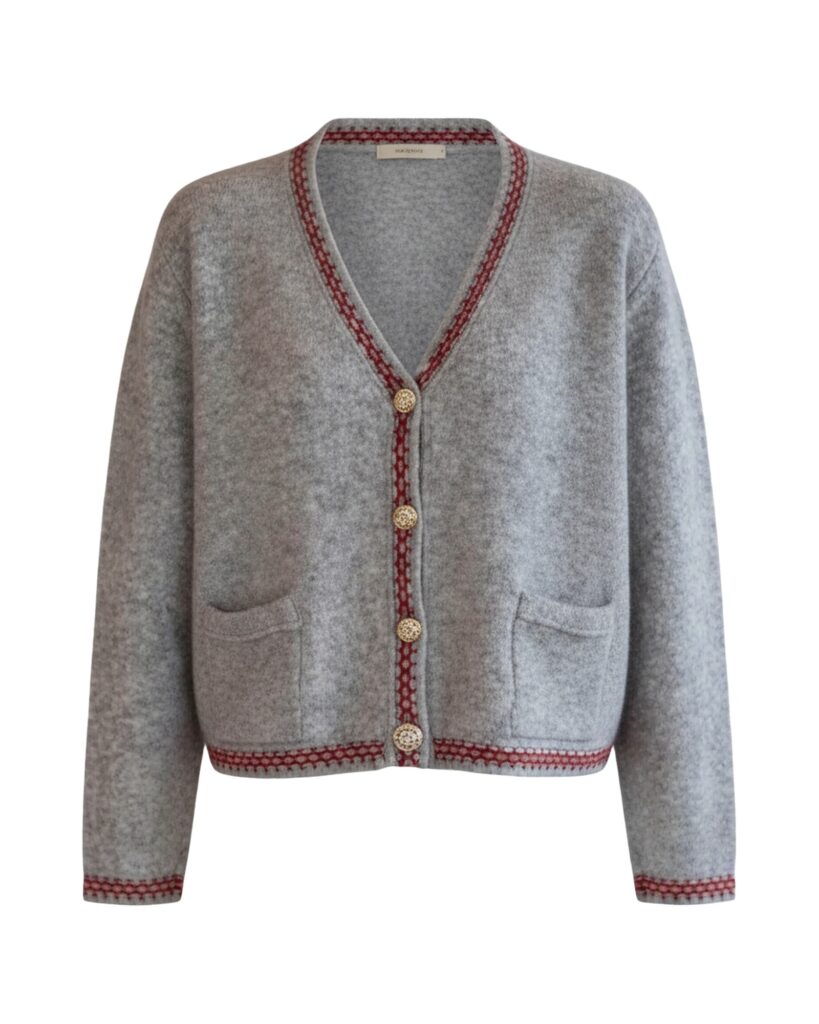
 Cardigans & jumpers
 Autumn looks
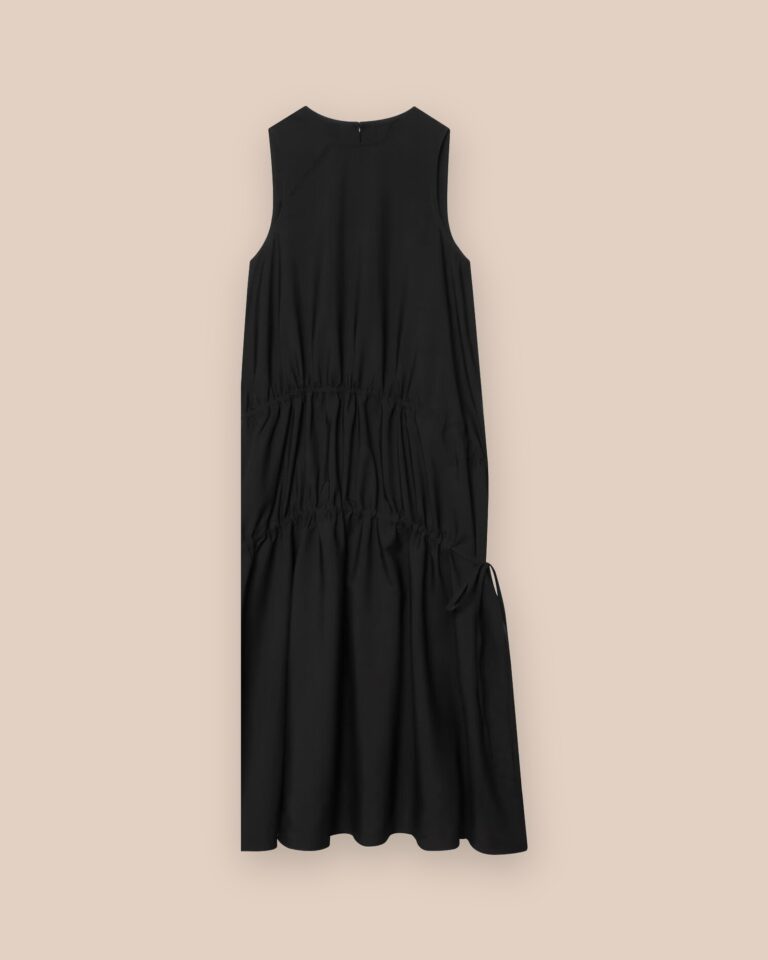 Kaat · Sleeveless tiered maxi dress
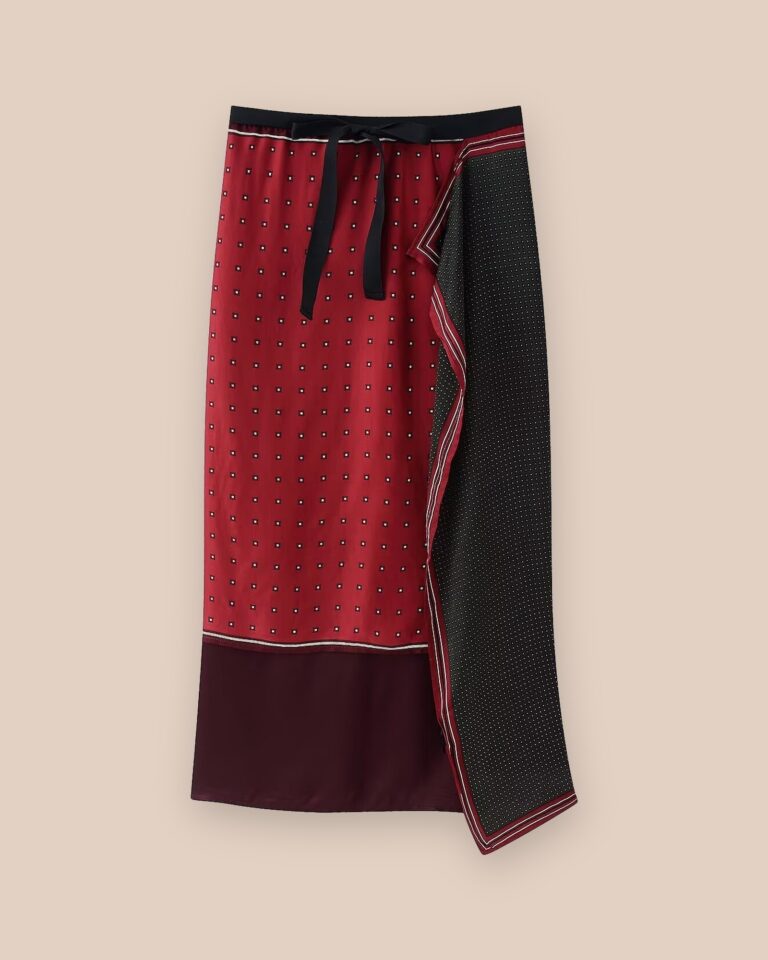 Nelleke · Printed long wrap skirt
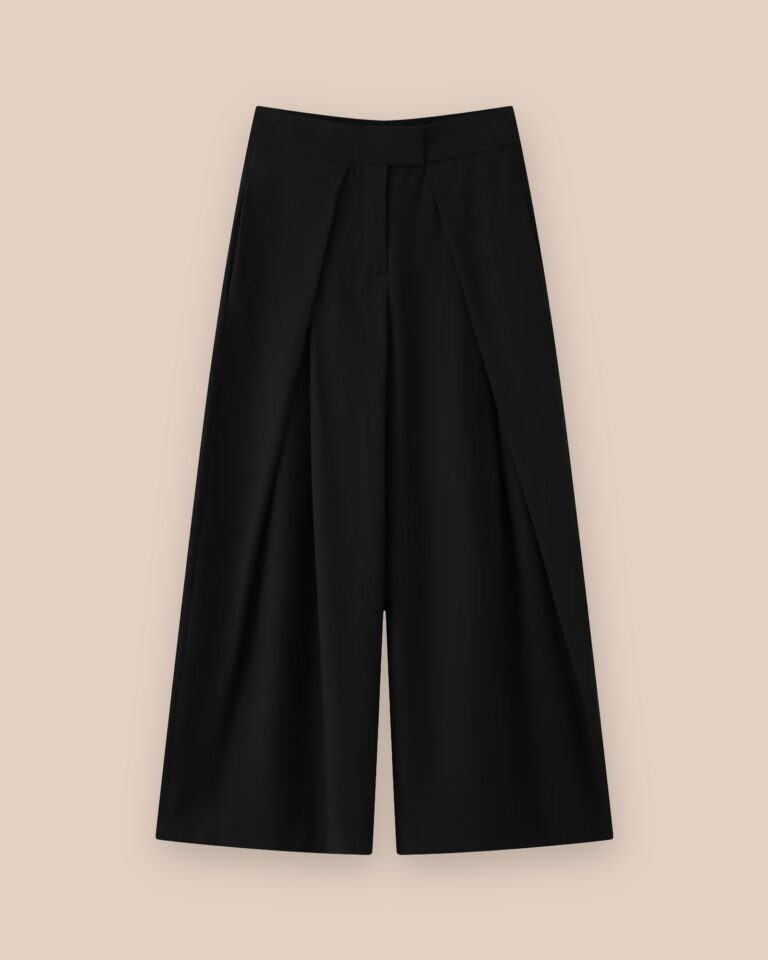 Dieuwke · Pleated wide-leg culottes
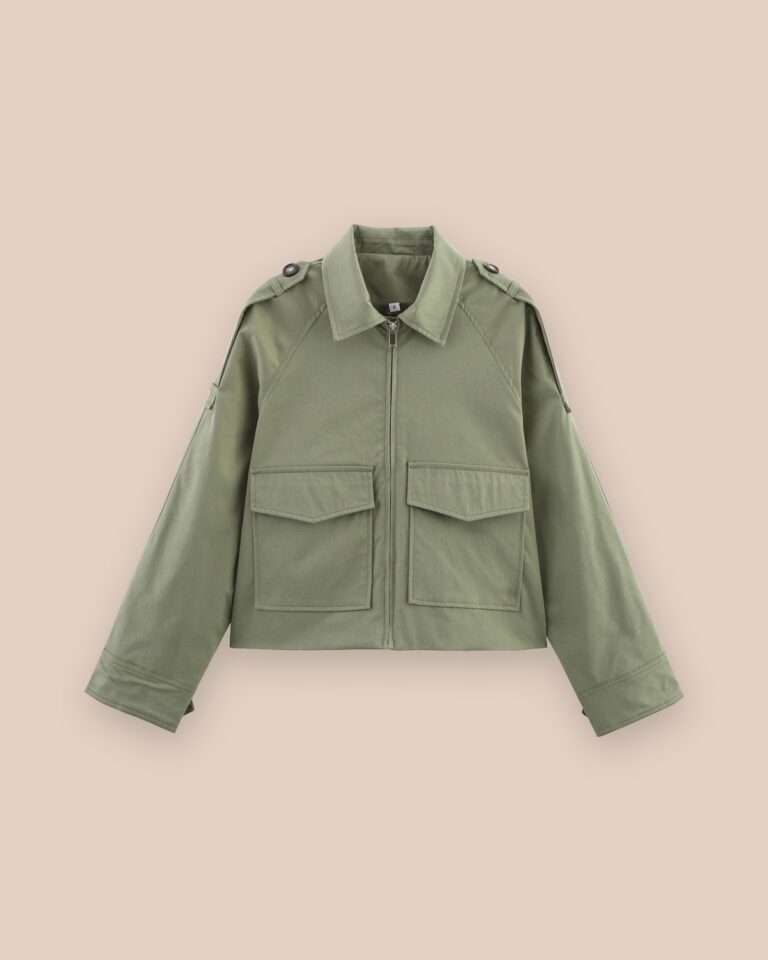 Ymke · Cropped zip jacket with flap pockets
In short: a midi dress ends between the knee and the ankle. That length shows the slimmest part of the leg, moves gracefully and suits almost every figure – the trick is choosing the right cut and fabric for your shape. A-line and wrap cuts skim the hips, a tie belt lets you decide how much waist to show, a straight knit dress follows the body with comfortable stretch, and a column cut lengthens. Pair it with a slim shoe and the midi dress works for the office, dinner and the weekend.
Last verified: 18 October 2026 · Written by the Lumasana team
Why the midi dress length works on almost everyone
The midi dress sits in the sweet spot between the two lengths that are hardest to wear. A knee-length dress draws the eye to the knee, which few people consider their best feature; a floor-length dress can overwhelm a smaller frame and needs the right heel. The midi length ends somewhere on the lower calf, revealing the ankle and the narrowest part of the leg while covering the thigh and knee. The result is a long, uninterrupted vertical line that reads as elegant without effort. It is also the most practical length: long enough for a dinner, a wedding or a meeting, short enough to cycle, walk and climb stairs without lifting the hem.
There is one rule that matters more than any other: the hem should never stop at the widest point of your calf. A few centimetres higher or lower changes everything. On most people the ideal point is just below the fullest part of the calf or just above the ankle bone – which is why we list the total length in centimetres on each product page, so you can check where it will fall on you before ordering.
Which midi dress cut for which figure
Fuller hips and thighs
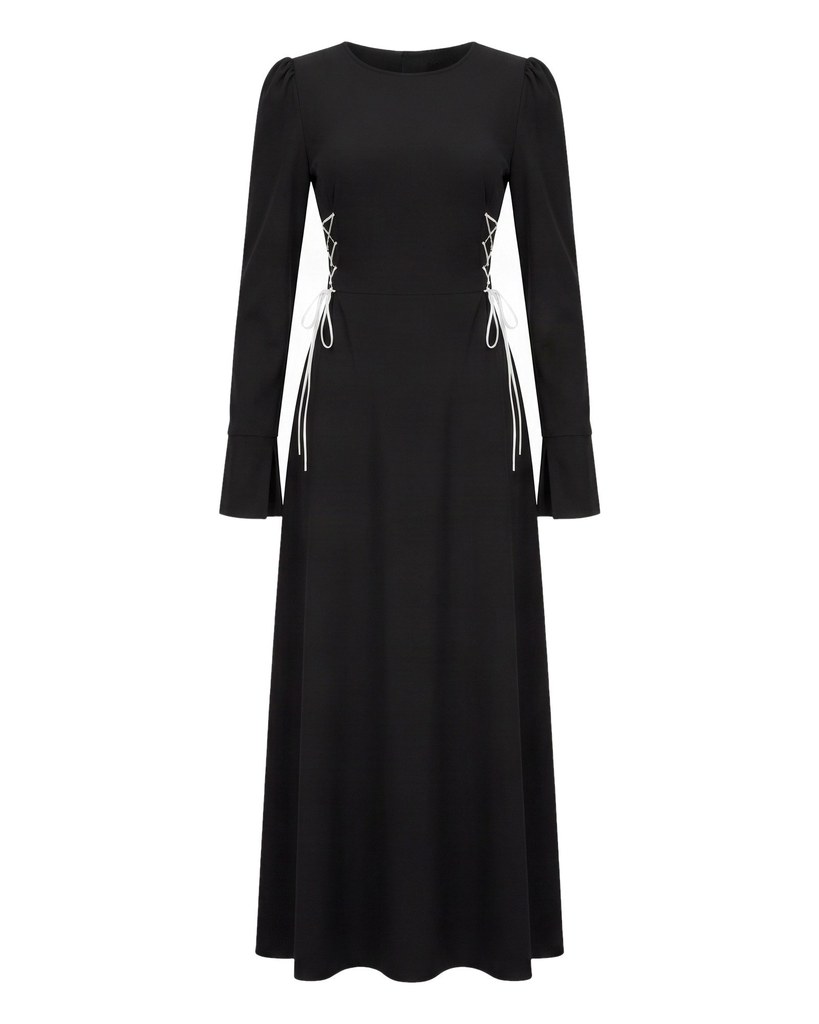
Choose an A-line or a wrap midi dress. Both widen gradually from the waist, so the fabric skims rather than clings, and the waist seam sits at your narrowest point. A tiered or asymmetric hem adds movement and distracts from width. Avoid very straight, stiff fabrics that pull across the hip; a fluid satin, a soft knit or a crepe-like fabric falls better.
A waist you want to show
A belted or tie-waist midi dress marks the middle and creates an hourglass line. With a tie belt you decide how defined you want it: pulled firmly for an evening look, knotted loosely for daytime. Shirt dresses with a belt do the same job with a more relaxed feel, and a button-front knit dress gives the same effect in winter.
A straighter figure
If your bust, waist and hips are close in measurement, create shape with detail: a wrap front, a ruched or smocked bodice, a tie neck, or a pleated or fuller skirt that adds volume below the waist. A column midi dress in a fabric with some weight also looks striking on a straight figure because it lengthens without needing curves.
Petite frames
Keep the hem just below the knee or at the upper calf rather than the lower calf, so the leg stays visible, and choose a defined waist. Vertical details – a button front, a wrap line, a V-neck – lengthen. Wear the dress with a shoe in a tone close to your skin or to the dress for the longest line.
Tall frames
You can carry a longer midi dress that ends just above the ankle, and horizontal details such as a contrasting belt or a tiered skirt that would shorten a petite frame work in your favour. Check the total length in the chart so the dress is truly a midi on you and not a knee-length.
Fabric and season: one midi dress, four ways to wear it
The same silhouette changes character with the fabric. In spring and summer, satin, chiffon and light jacquard float and catch the light; a sleeveless or short-sleeve midi dress with flat sandals is a complete outfit. In autumn, houndstooth, checks and heavier shirt-dress fabrics come in, worn with a fine knit cardigan and an ankle boot. In winter, a knit midi dress – ribbed, cable or button-front – with a turtleneck underneath and a long coat over it is as warm as trousers and considerably more elegant. For occasions all year round, a tie-neck or tie-waist midi in a plain colour needs nothing but a low heel and a simple earring. Our Fabric guide explains how each of these fabrics behaves and feels; the Fabric care guide covers how to keep them looking new, and the care symbols on the label are explained at Clevercare.
Shoes and layers that keep the line long
- Loafers and pointed flats: the easiest daytime partner; a slim shape keeps the leg looking long under a midi hem.
- Ankle boots: choose a boot that ends at or just above the ankle bone and leaves a sliver of skin, or wear opaque tights in the same colour as the boot.
- Low block heel or kitten heel: a few centimetres of height lengthens the leg without strain – ideal for events.
- Trainers: fine with a casual shirt dress or knit midi dress; keep them slim and plain.
- Layers: a long open cardigan continues the vertical line; a cropped or hip-length blazer keeps the waist visible. Avoid a coat that ends exactly at the hem.
How to combine knitwear with a dress without losing shape is covered in How to style a knit cardigan; for the knits themselves, see our Cardigans & Jumpers.
Choosing your midi dress size
Dresses are chosen on two measurements: bust for fitted bodices and hips for straight skirts. Measure both in centimetres and compare them with the chart on the product page; the fit status next to the chart tells you whether to order your usual size. Wrap and A-line styles forgive a difference between bust and hip easily; straight and column cuts do not, so let the larger measurement decide there. Our Size guide explains the three measurements step by step; European sizes follow the EN 13402 standard of CEN, which is based on exactly these body measurements. Browse all current styles in our Dresses – each product page shows the total length in centimetres so you can check where the hem will fall.
Frequently asked questions about the midi dress
Is a midi dress suitable for shorter women?
Yes, with the right hem. Choose a midi dress that ends just below the knee or at the upper calf, not at the lower calf, and define the waist. Vertical details such as a wrap front or button line lengthen, and a slim shoe in a tone close to your skin or the dress keeps the leg long.
What length is a midi dress exactly?
A midi dress ends between the knee and the ankle, usually at mid-calf. There is no fixed number of centimetres because it depends on your height: the same dress is a long midi on one person and a short midi on another. Check the total length on the product page and compare it with a dress you own.
Which shoes go best with a midi dress?
Slim shapes that keep the leg looking long: loafers, pointed flats, a low block heel or a kitten heel. Ankle boots work when they end at the ankle bone or when you wear tights in the same colour. Clean, plain trainers suit a casual shirt dress or knit midi.
Can I wear a midi dress to a wedding?
Absolutely. A tie-neck, tie-waist or belted midi dress in a plain colour or a soft print is a classic wedding-guest choice. Pick a fabric with movement such as satin or chiffon, add a low heel and a light cover-up for the ceremony, and avoid white unless the invitation asks for it.
How do I stop a midi dress from looking frumpy?
Three things: a defined or implied waist, a hem that does not stop at the widest part of the calf, and a slim shoe. Add one considered detail – a belt, an earring, a structured bag – and keep the rest simple. A fitted top layer such as a cropped blazer also sharpens the look.
Which midi dress works for the office?
A belted shirt dress, a button-front knit midi or a column midi in a plain colour reads as professional. Pair it with a blazer or a fine cardigan, loafers or a low heel. Avoid very shiny fabrics in daylight; save satin for evening meetings and dinners.
Knit midi dress: will it cling?
A ribbed knit follows the body more closely than a cable or jacquard knit. If you prefer a smoother line, wear a slip underneath or choose an A-line or button-front knit midi dress with a little structure. Washing cold and drying flat keeps the length and the shape.
Read more